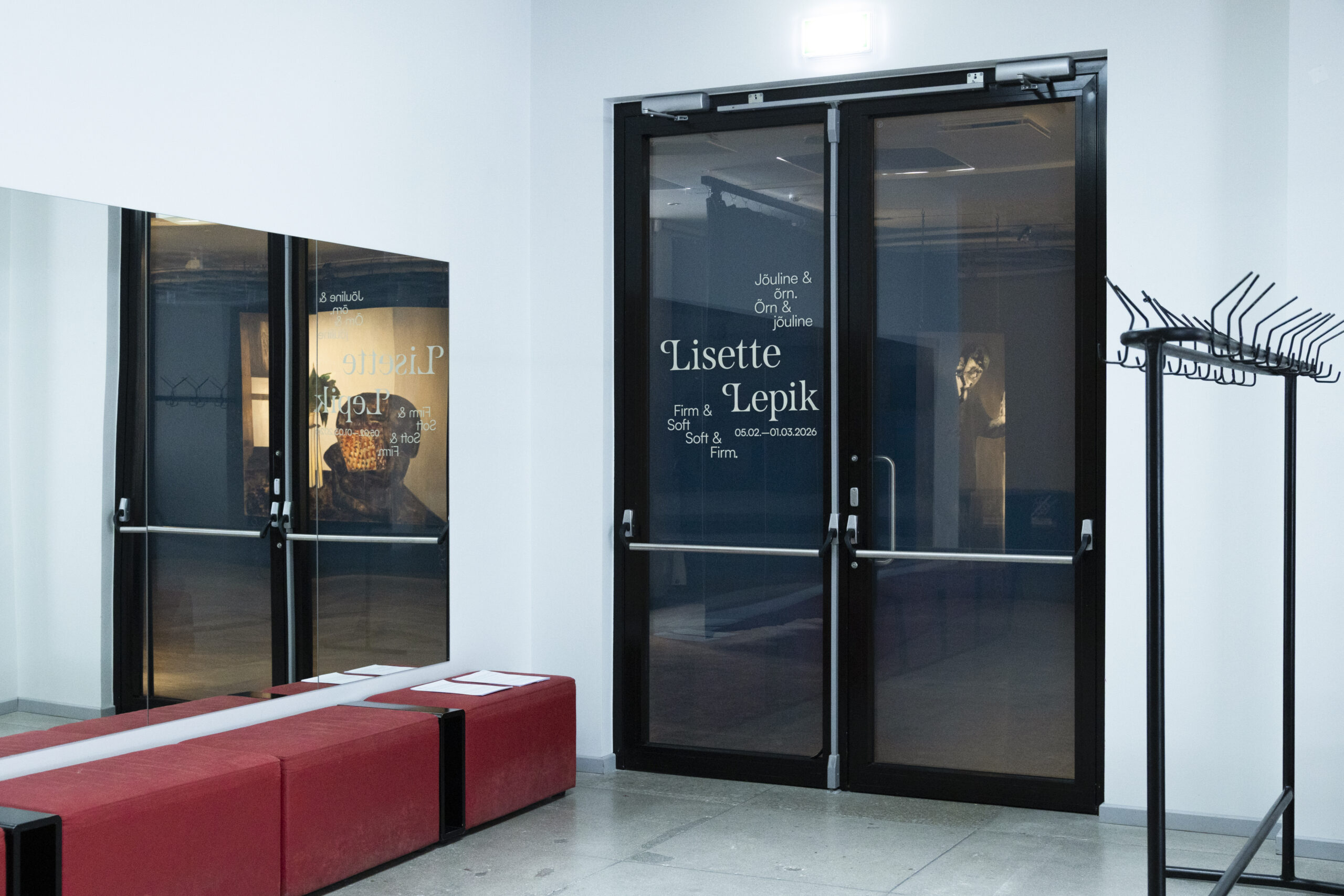
Jõuline ja õrn. Õrn ja jõuline.
Firm and Soft. Soft and Firm.
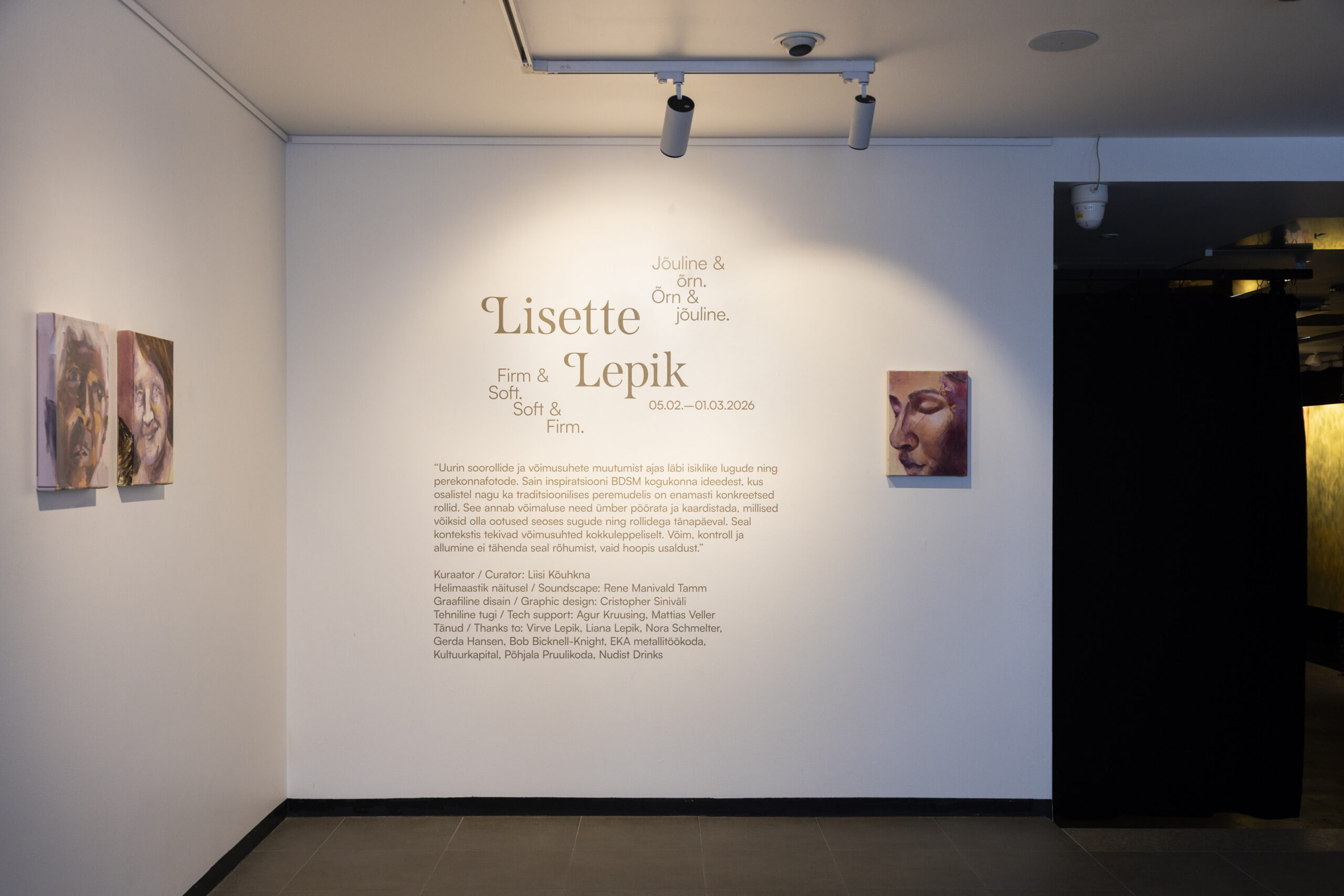
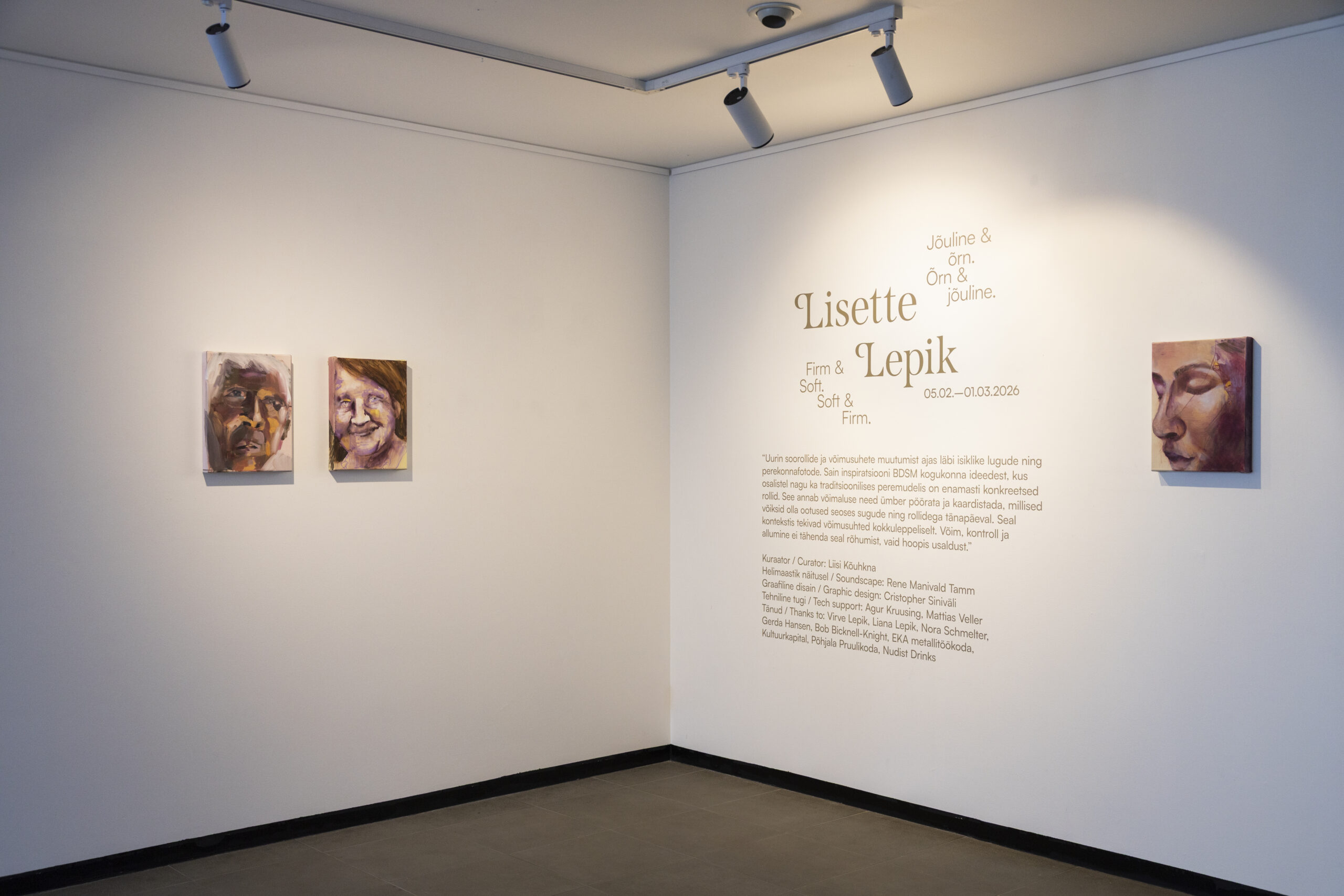
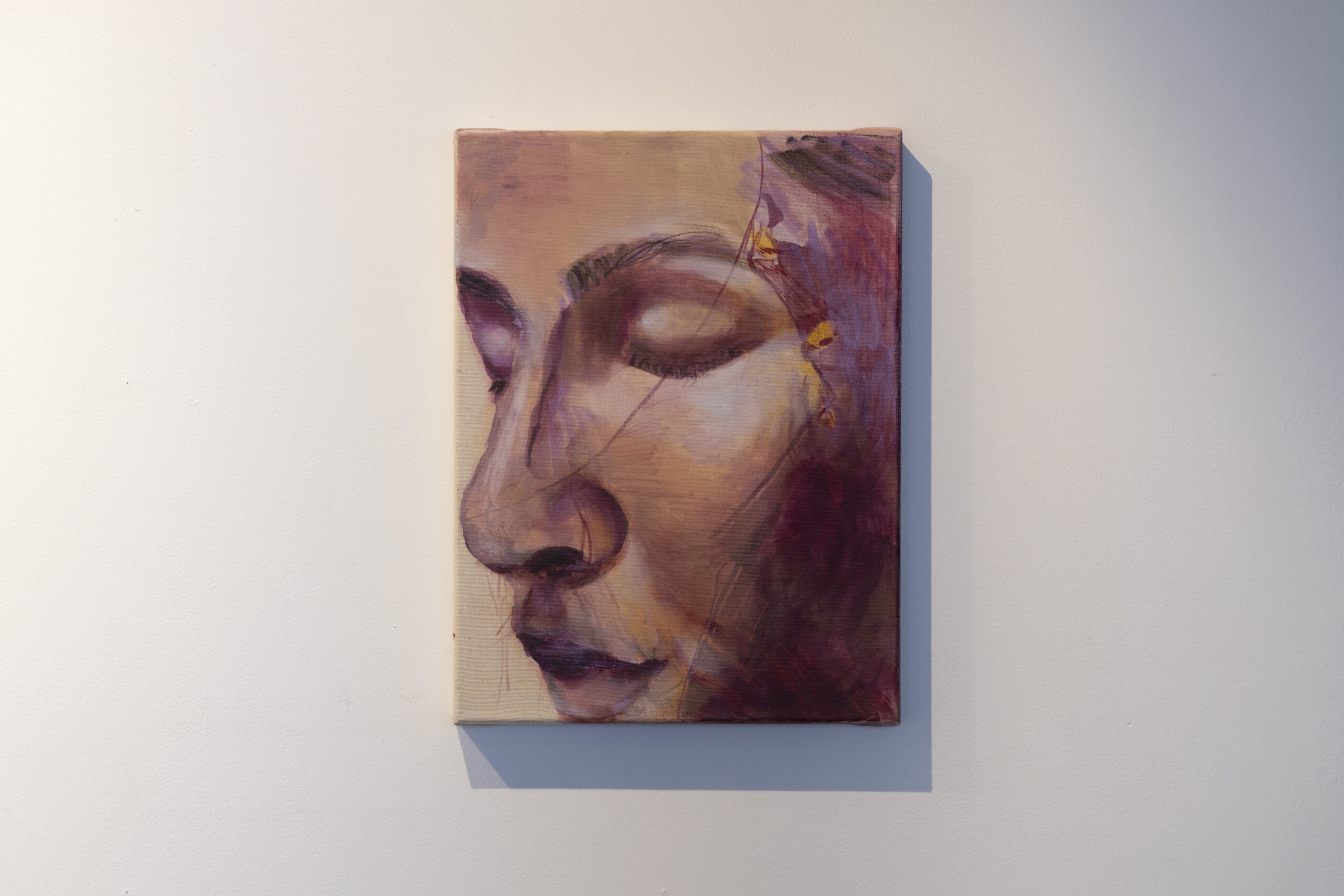
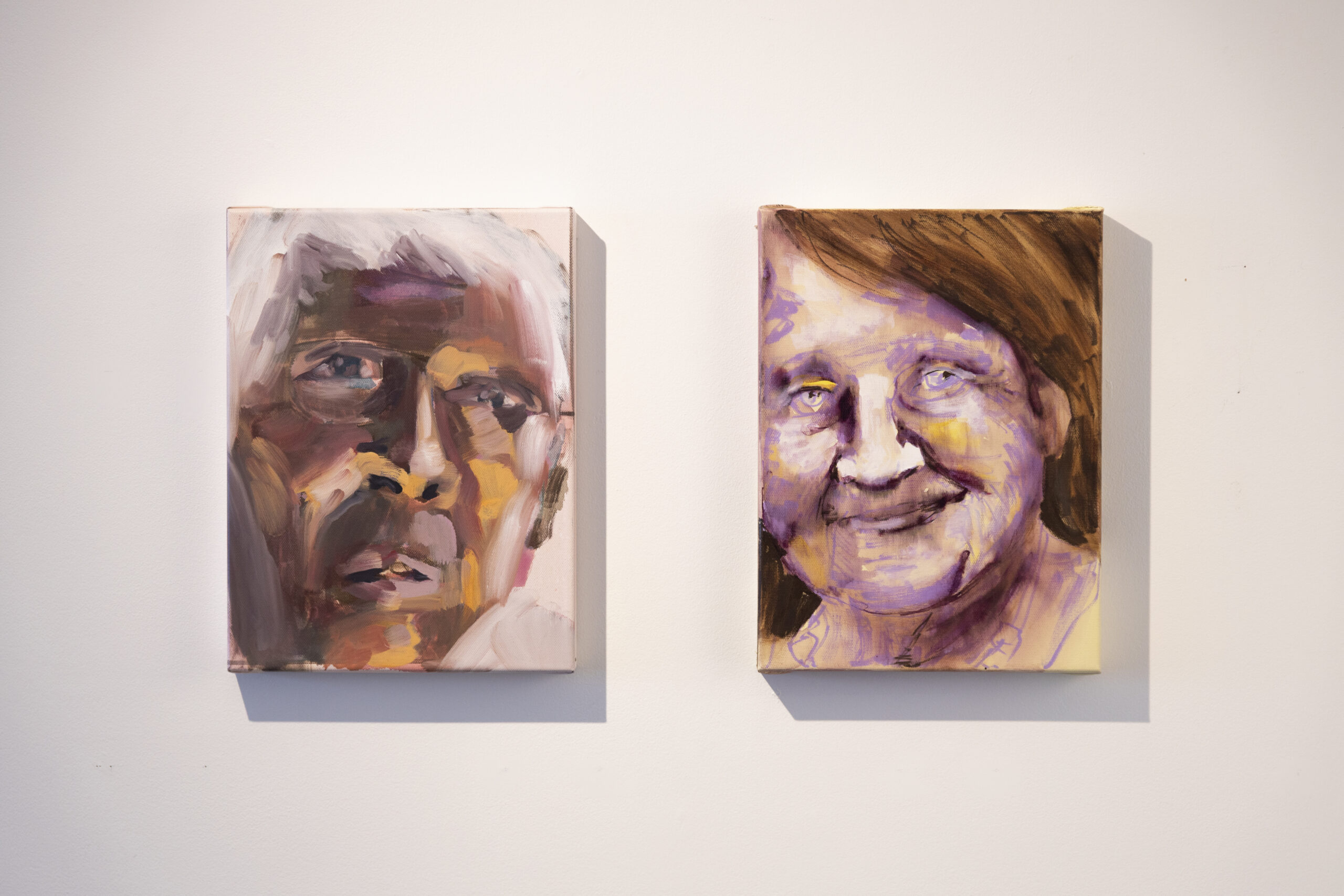
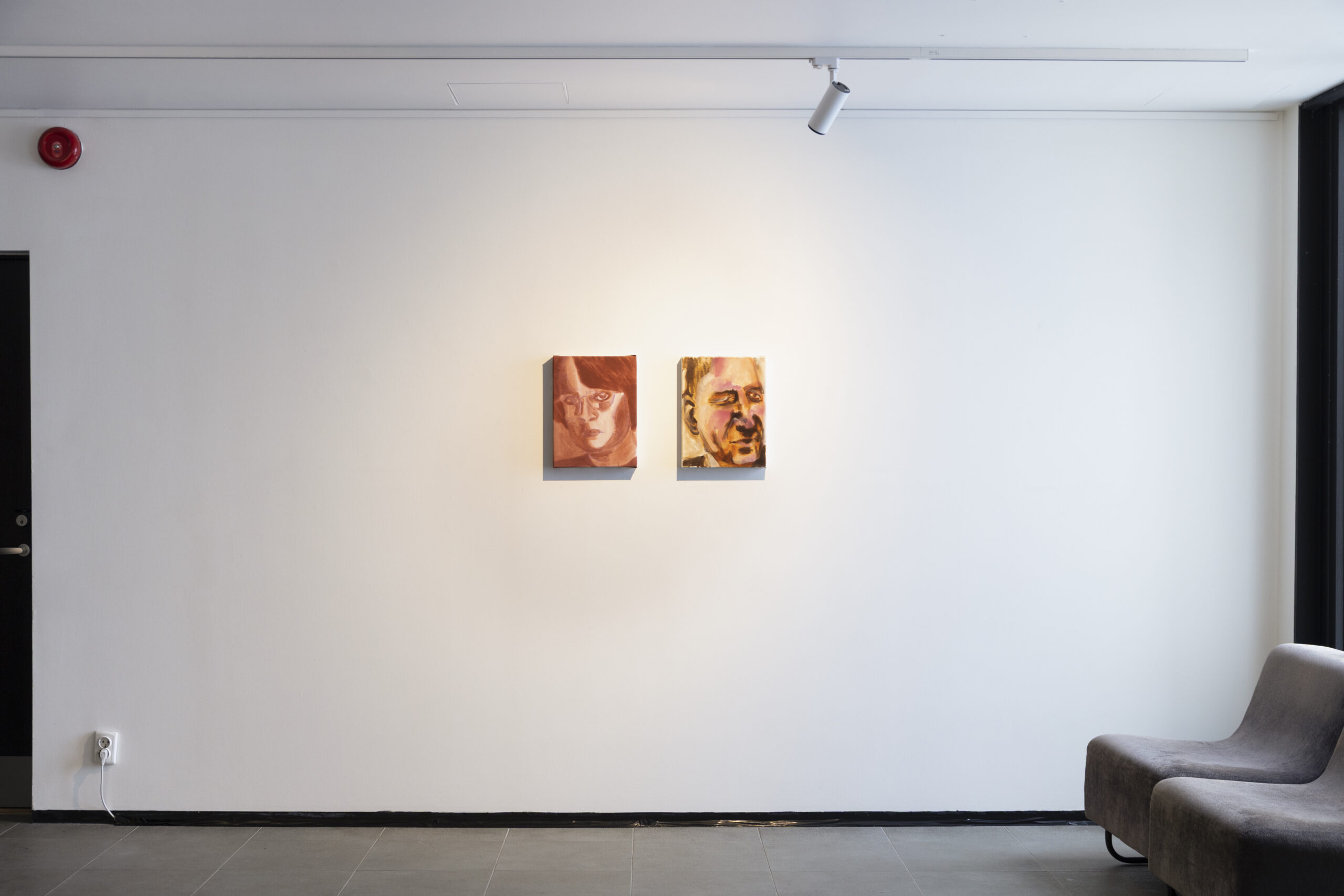
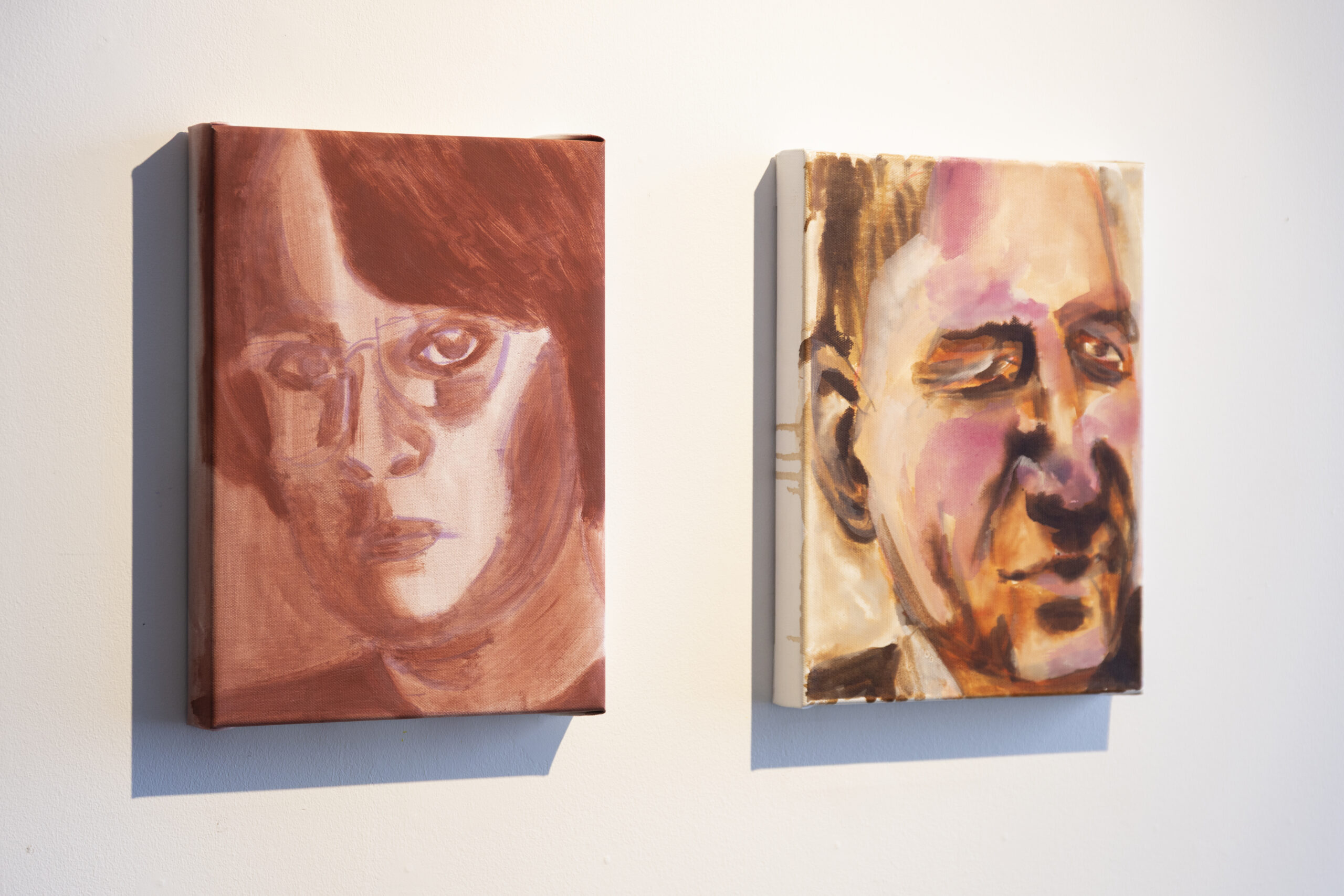
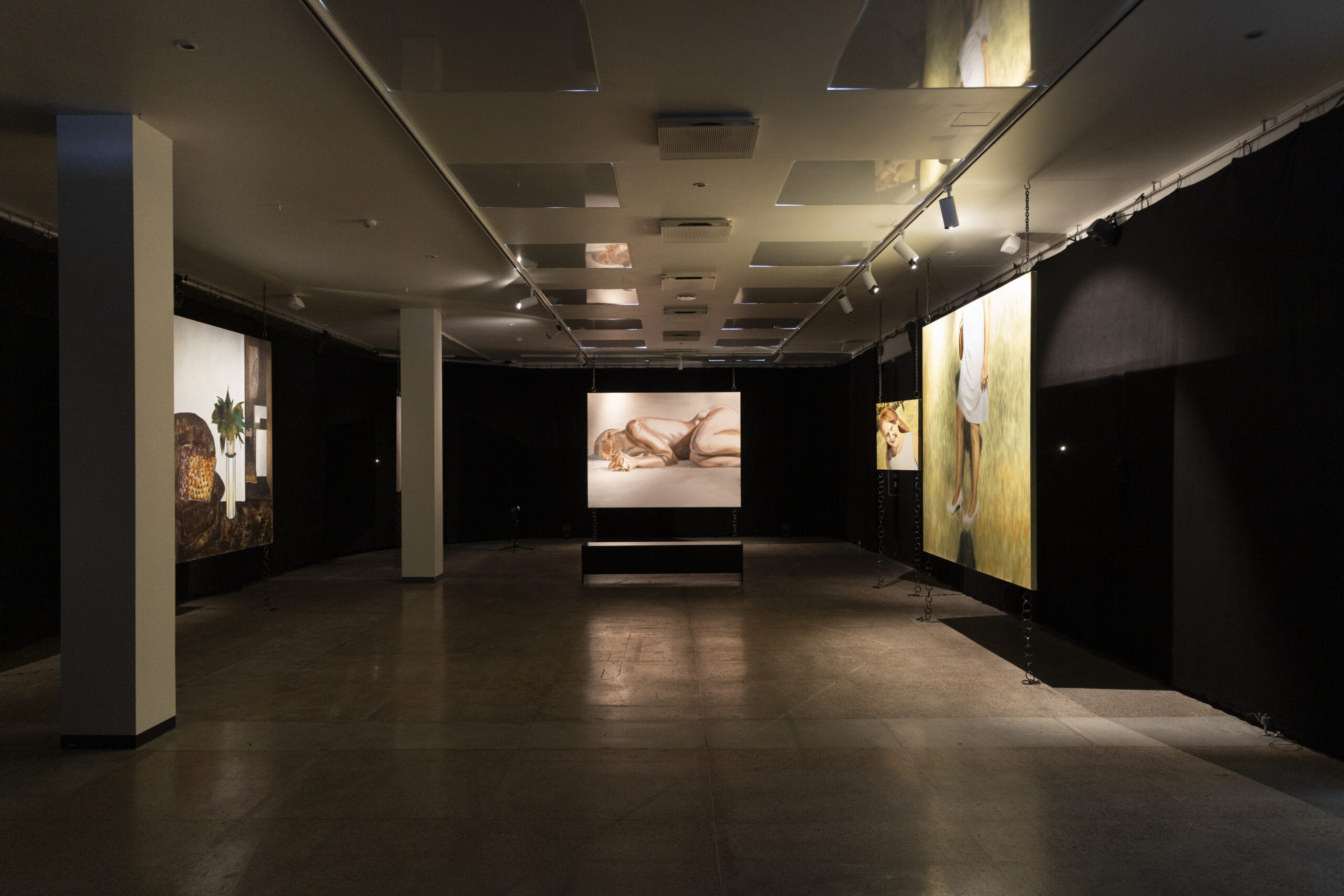
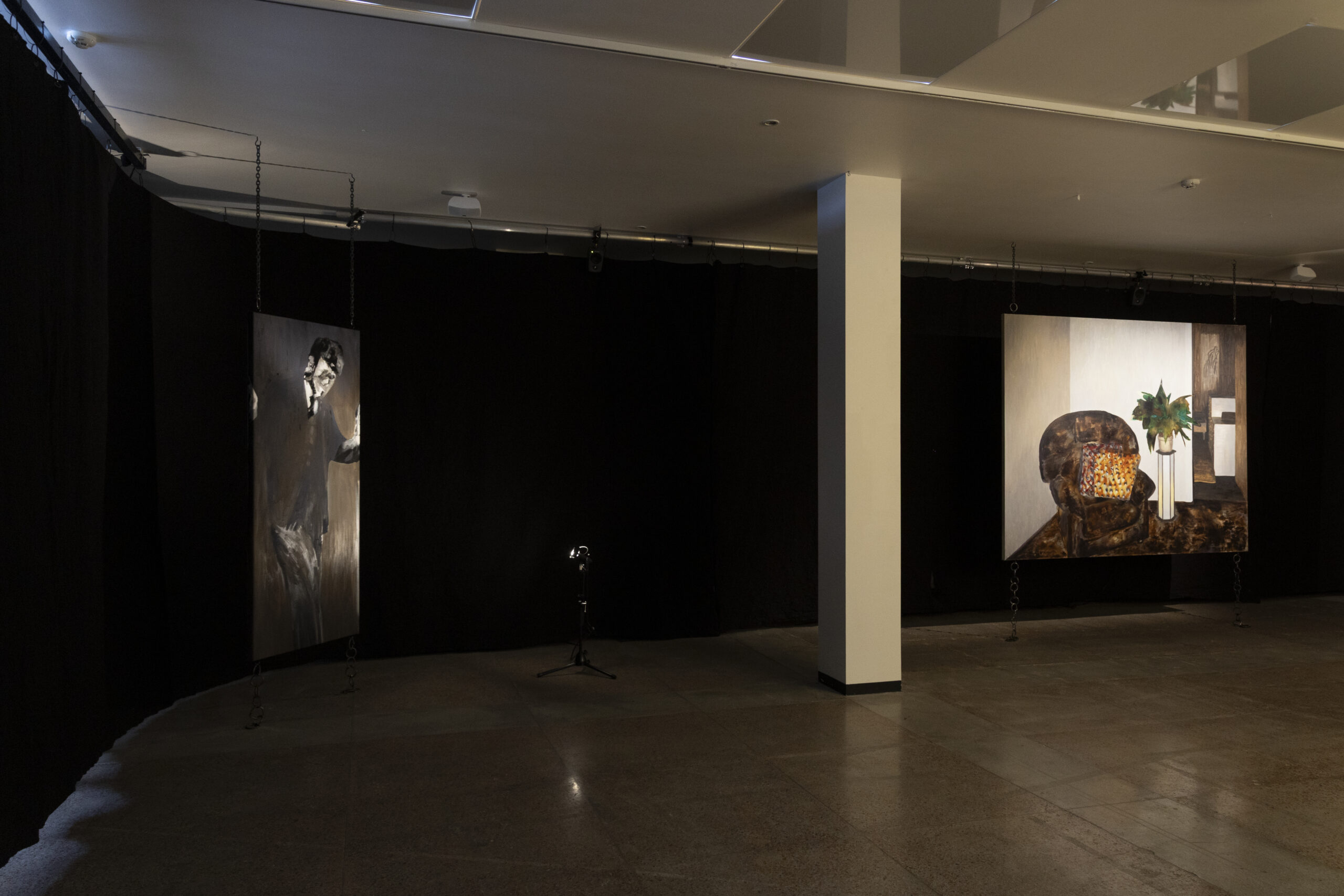
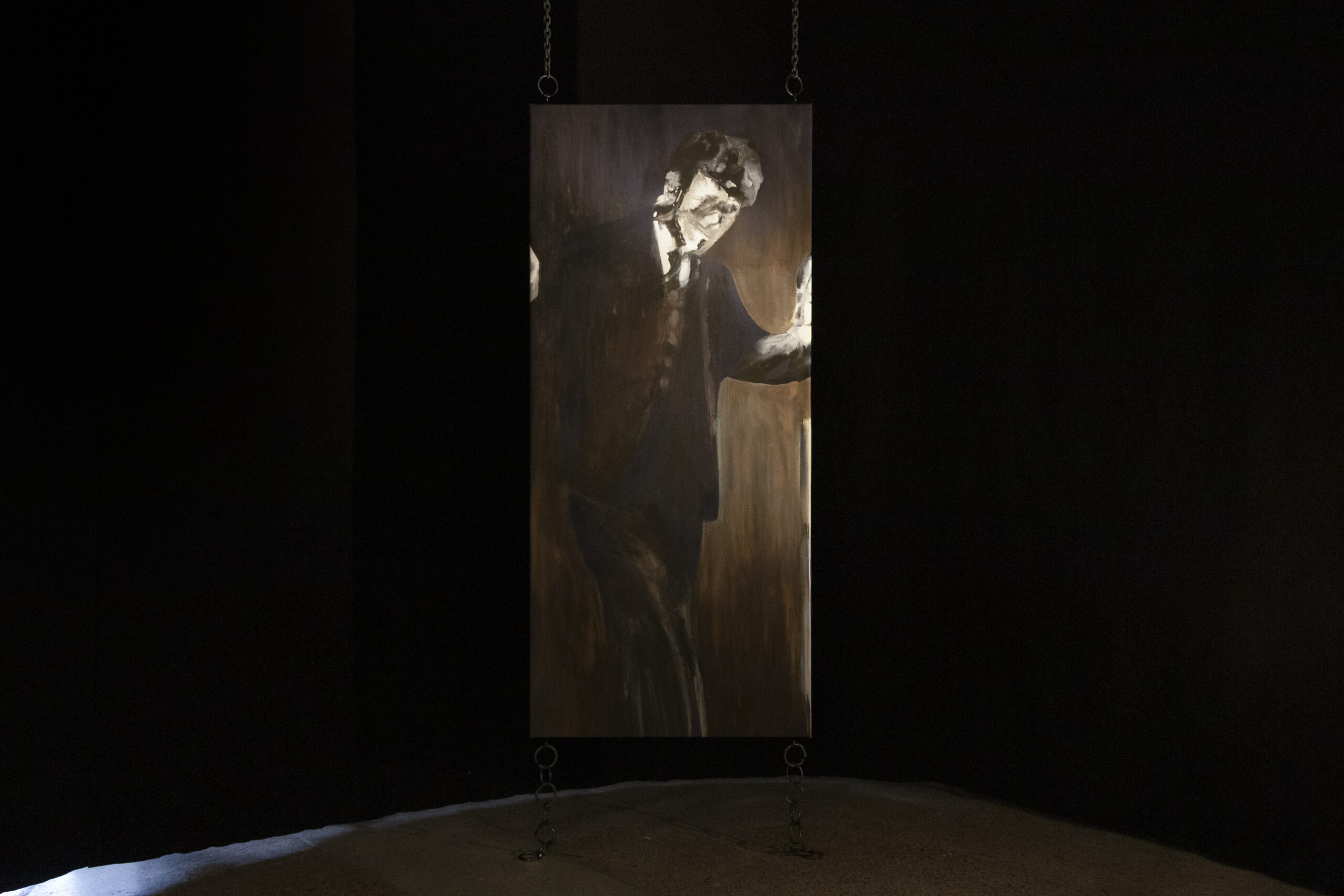
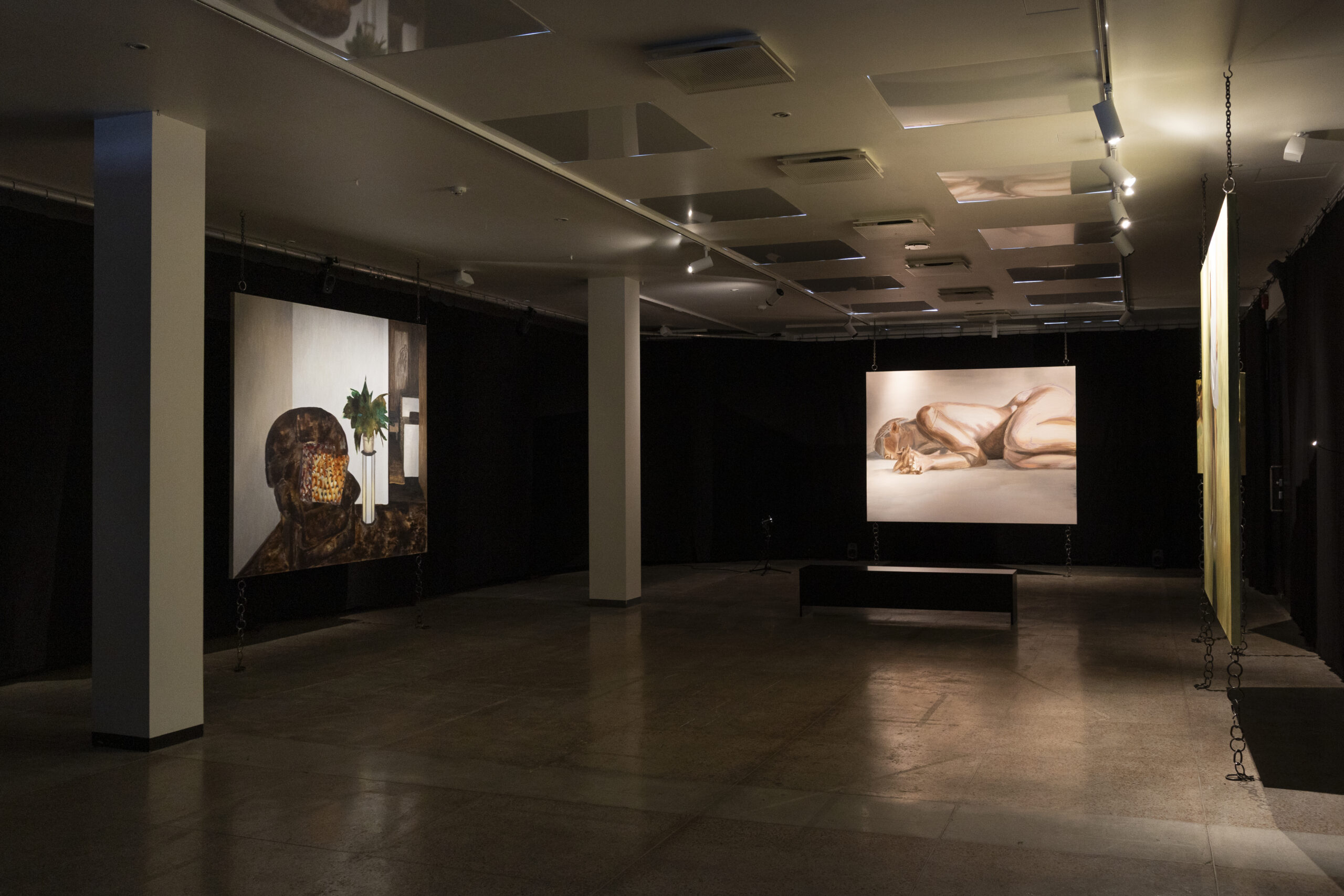
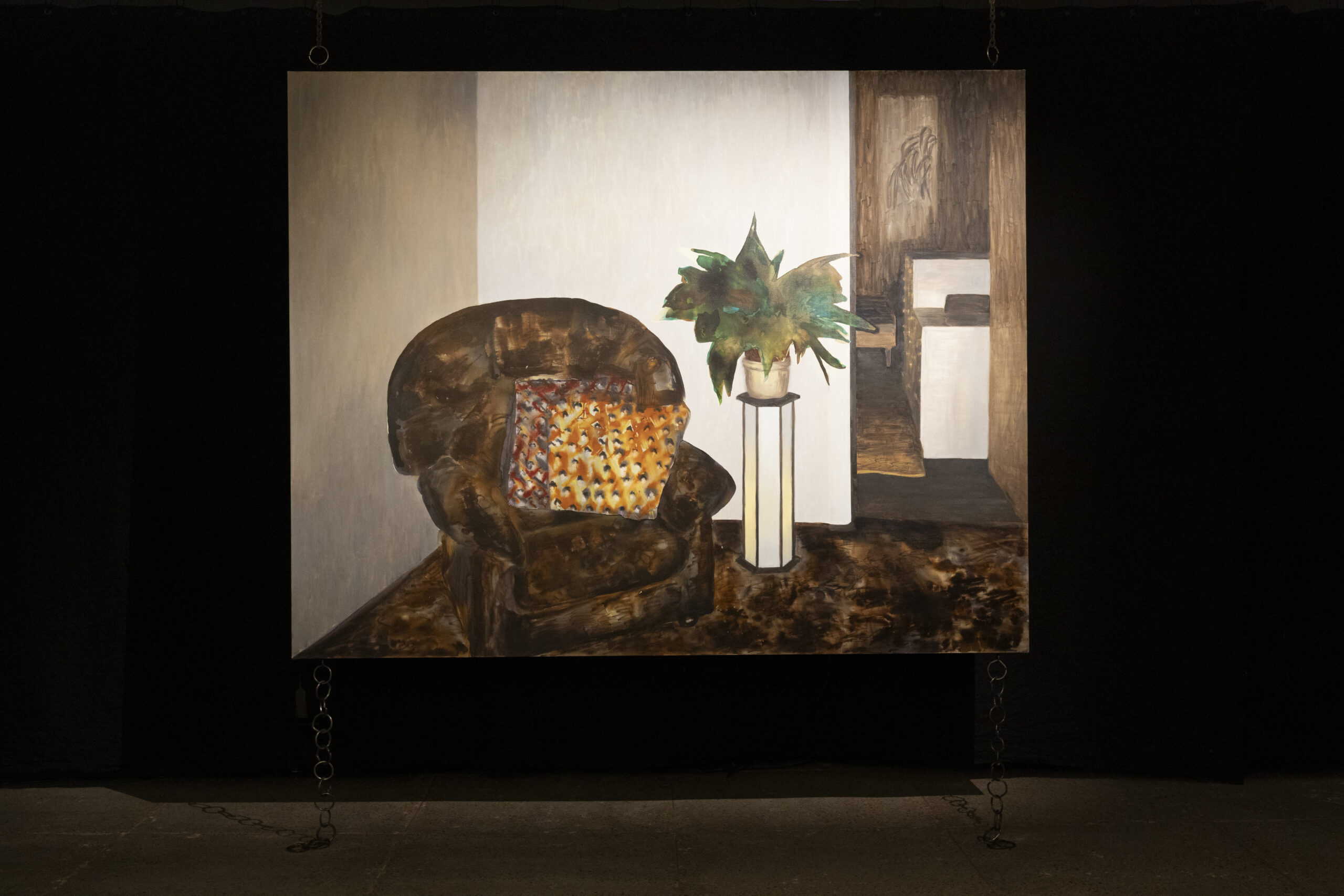
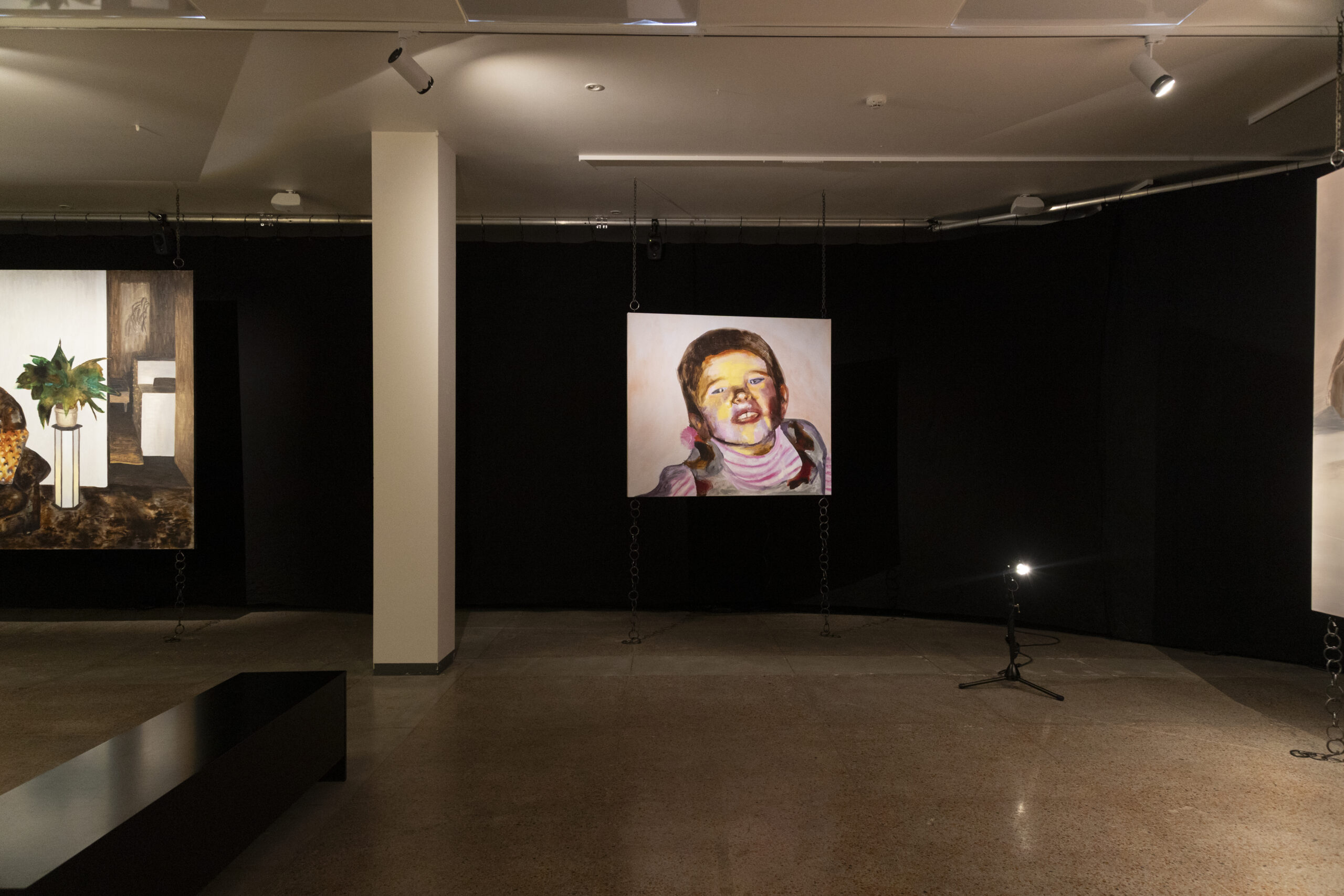
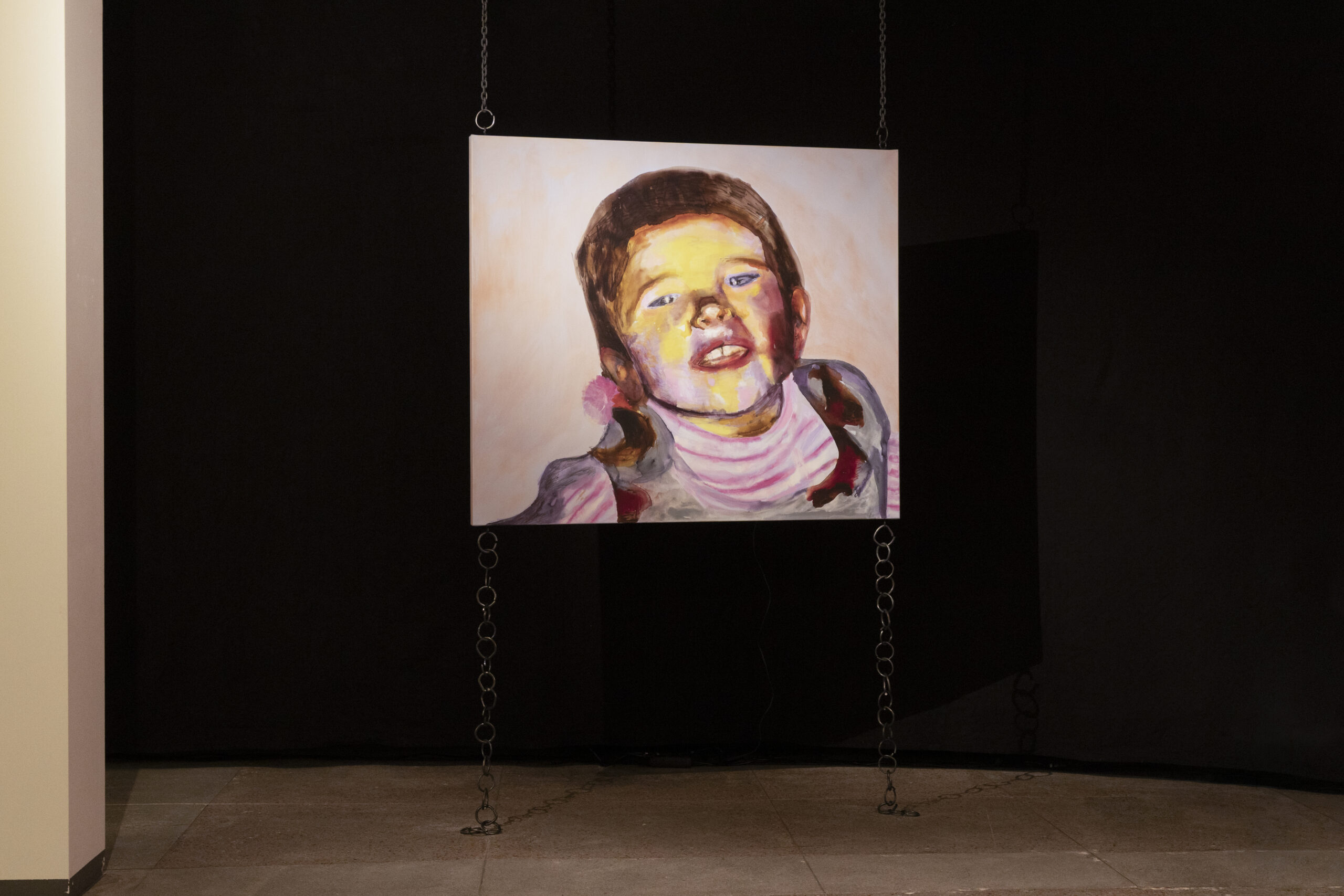
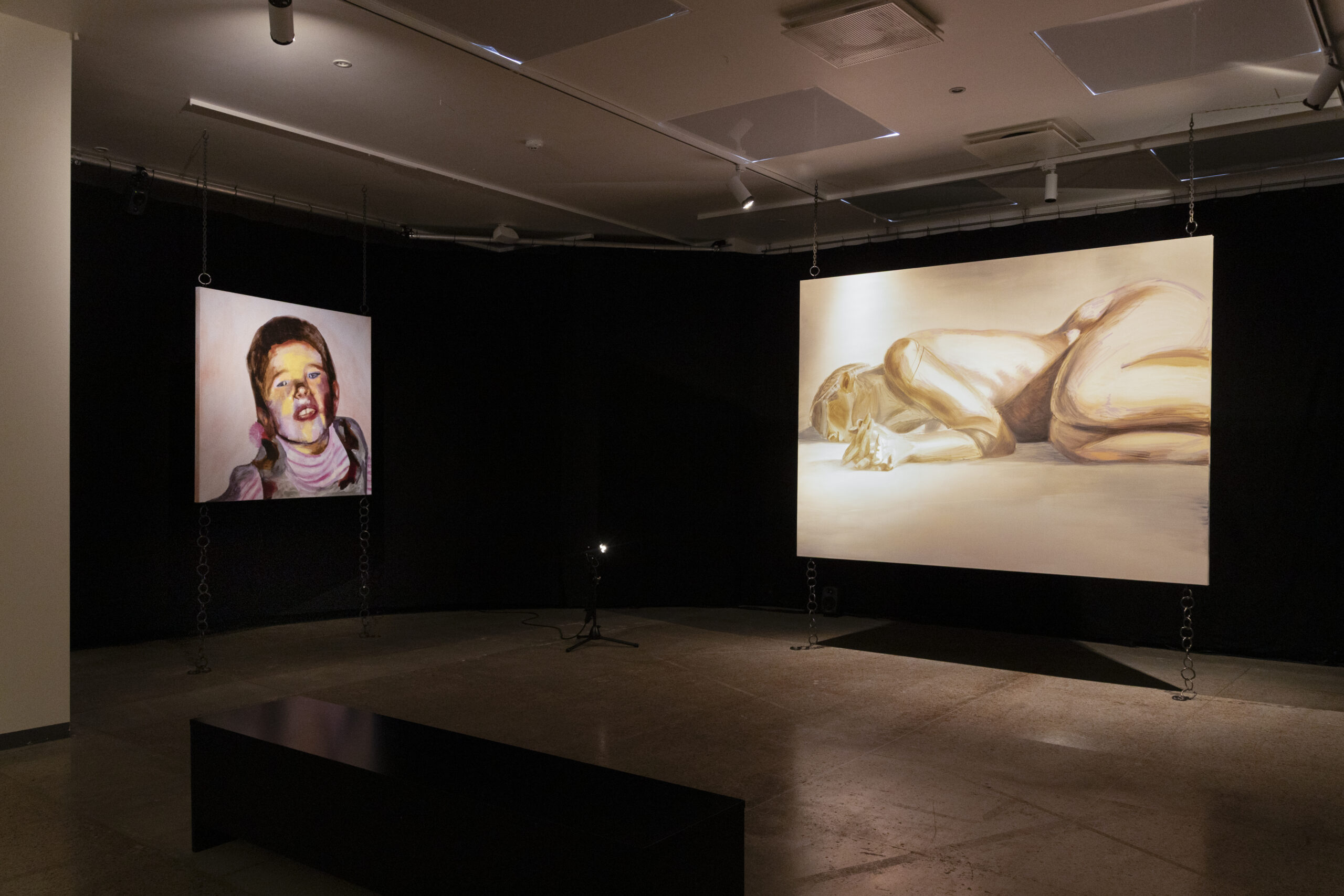
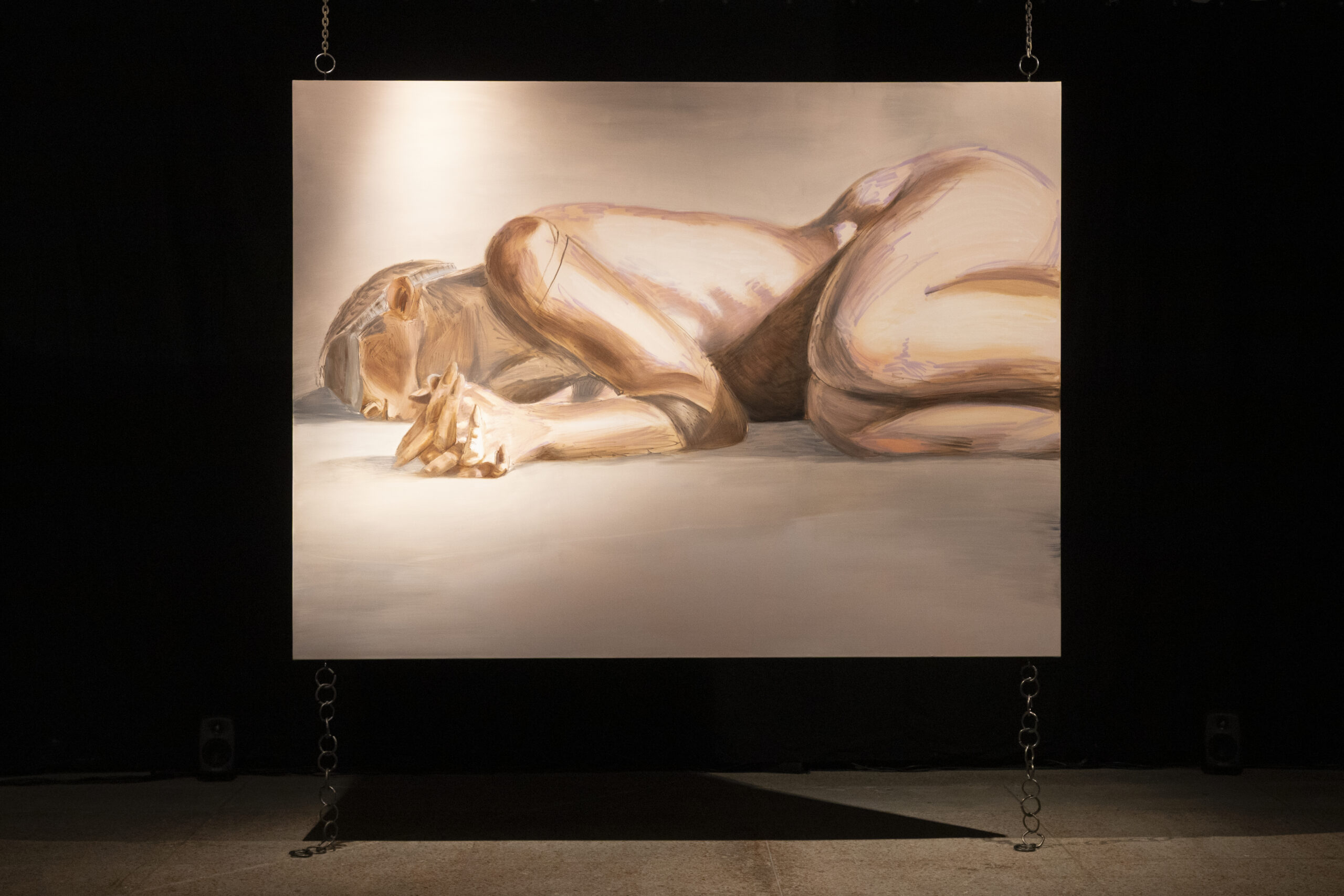
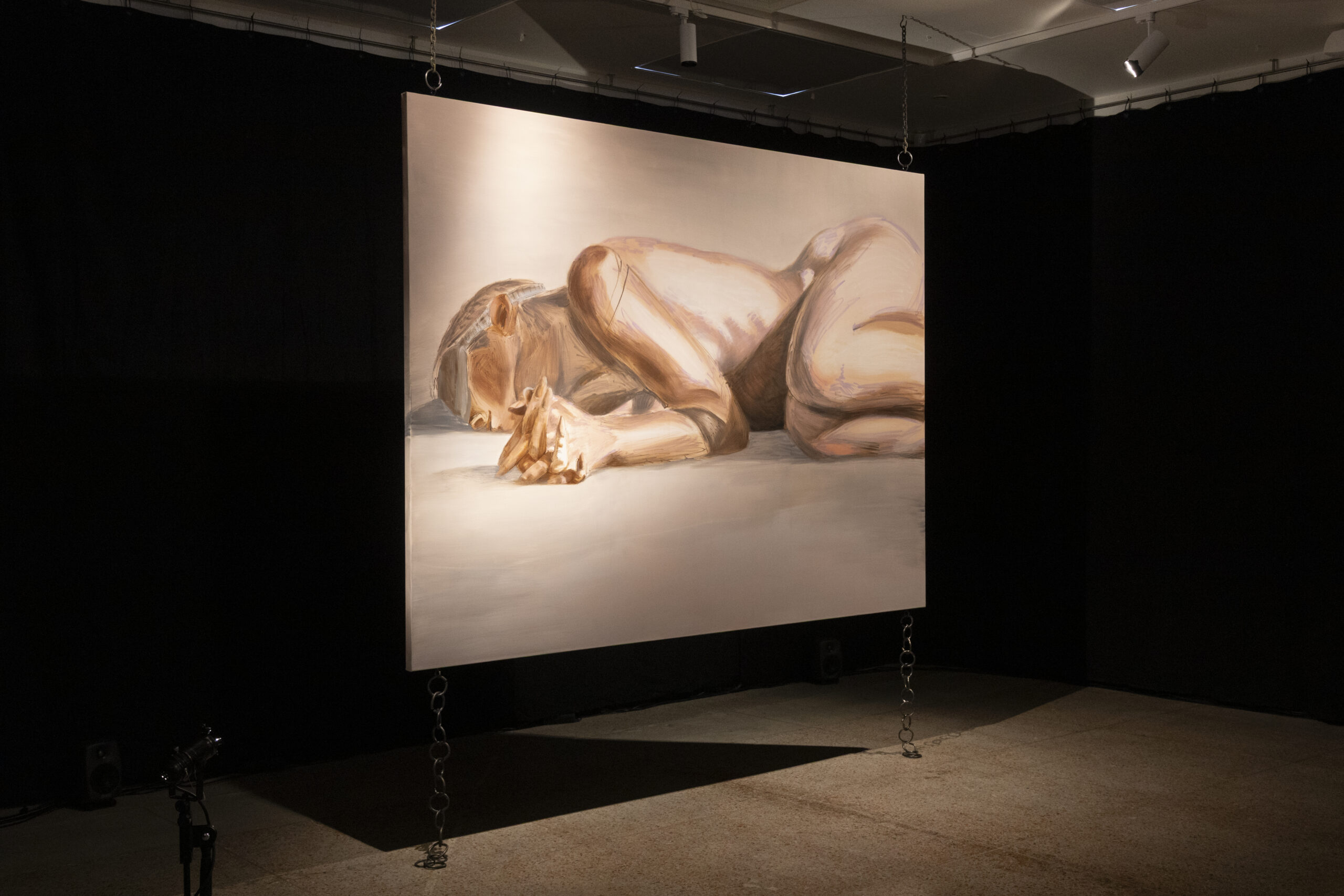
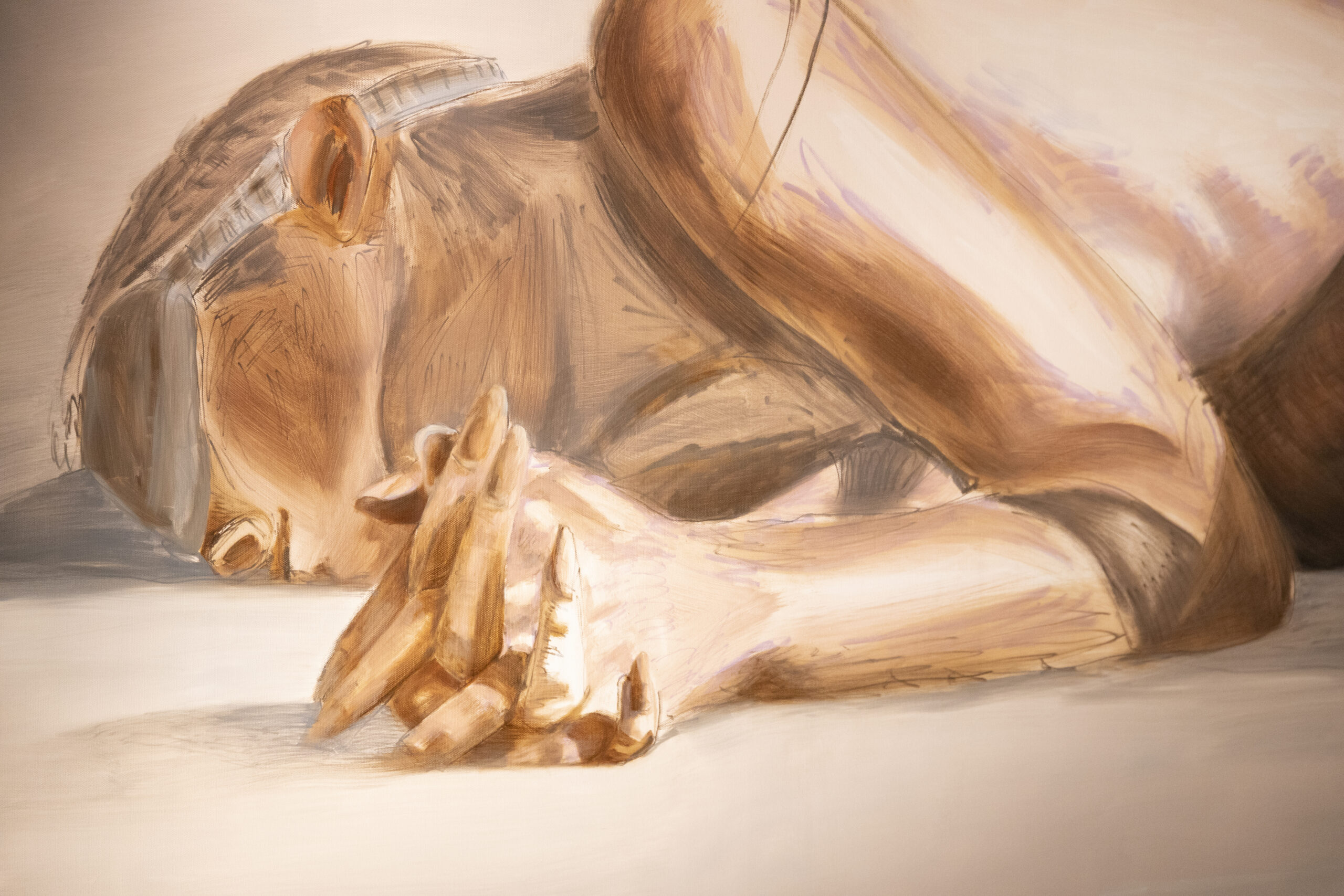
Autobiograafilisele materjalile ning kunstniku ema ja vanaemaga tehtud intervjuudele tuginev näitus käsitleb soorollide kujunemist lähisuhetes. Näitusel olid väljas emotsionaalselt laetud maalid, kus sinna spetsiaalselt loodud helimaastik ühendas näituse kogemuse ühtseks tervikuks.
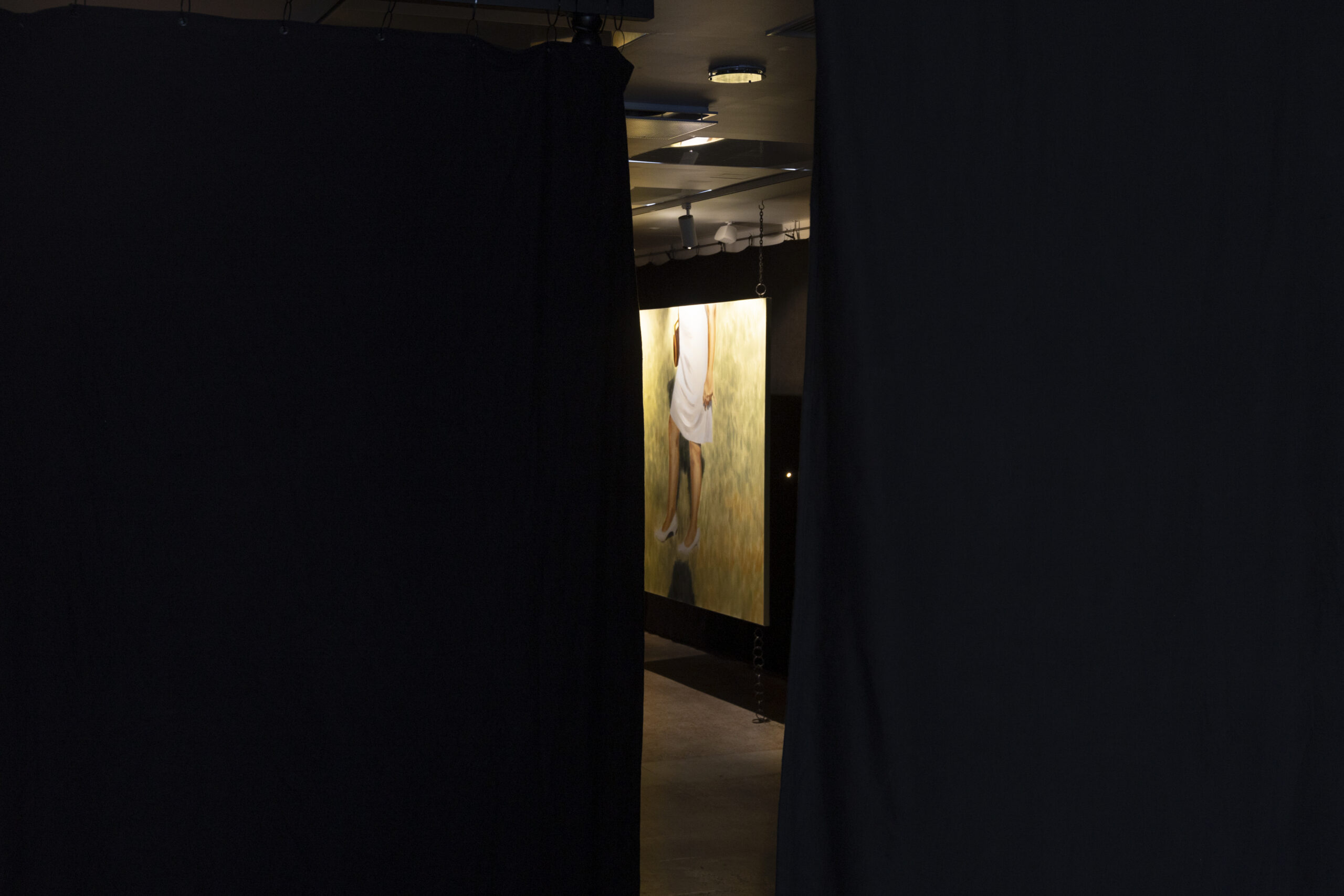
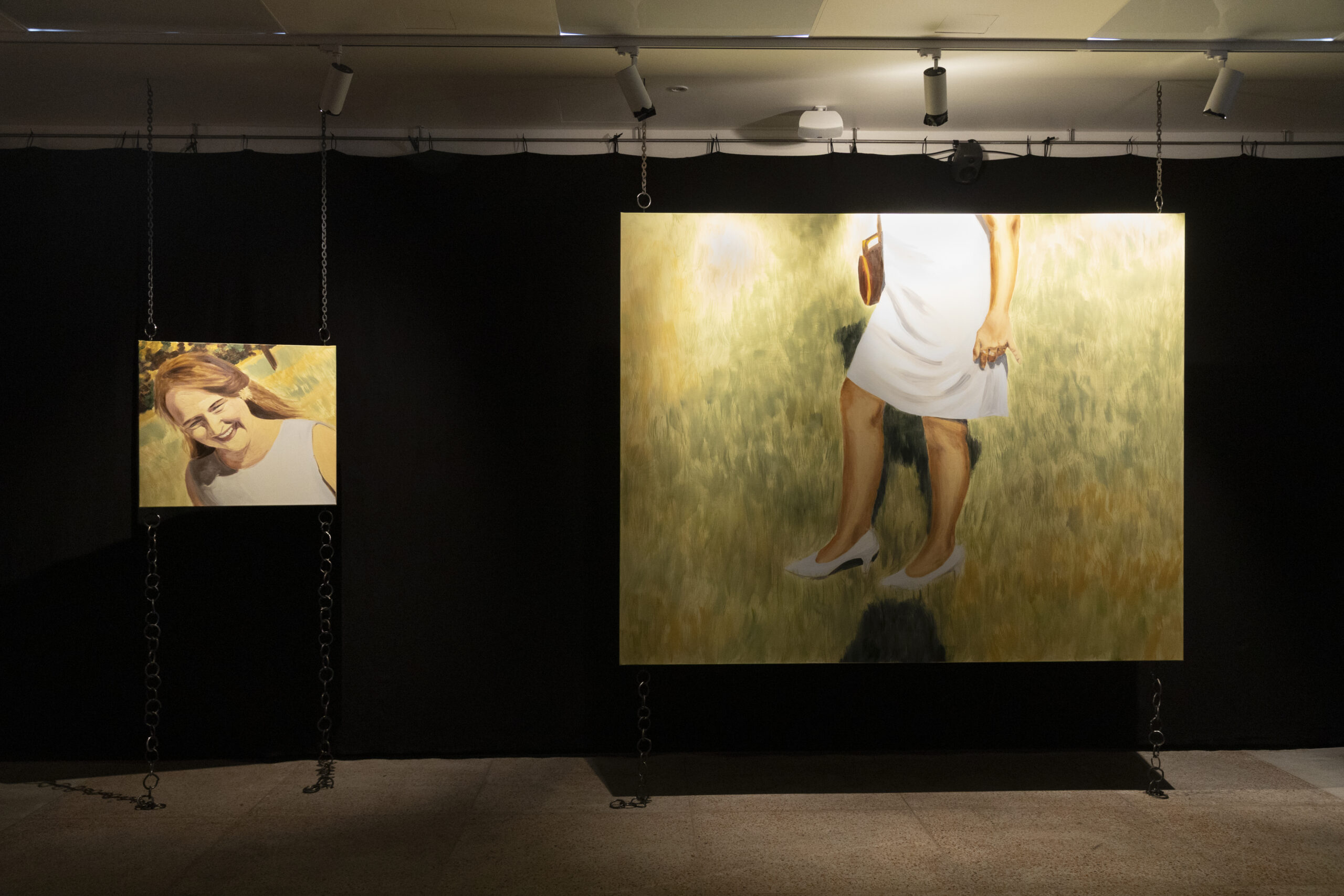
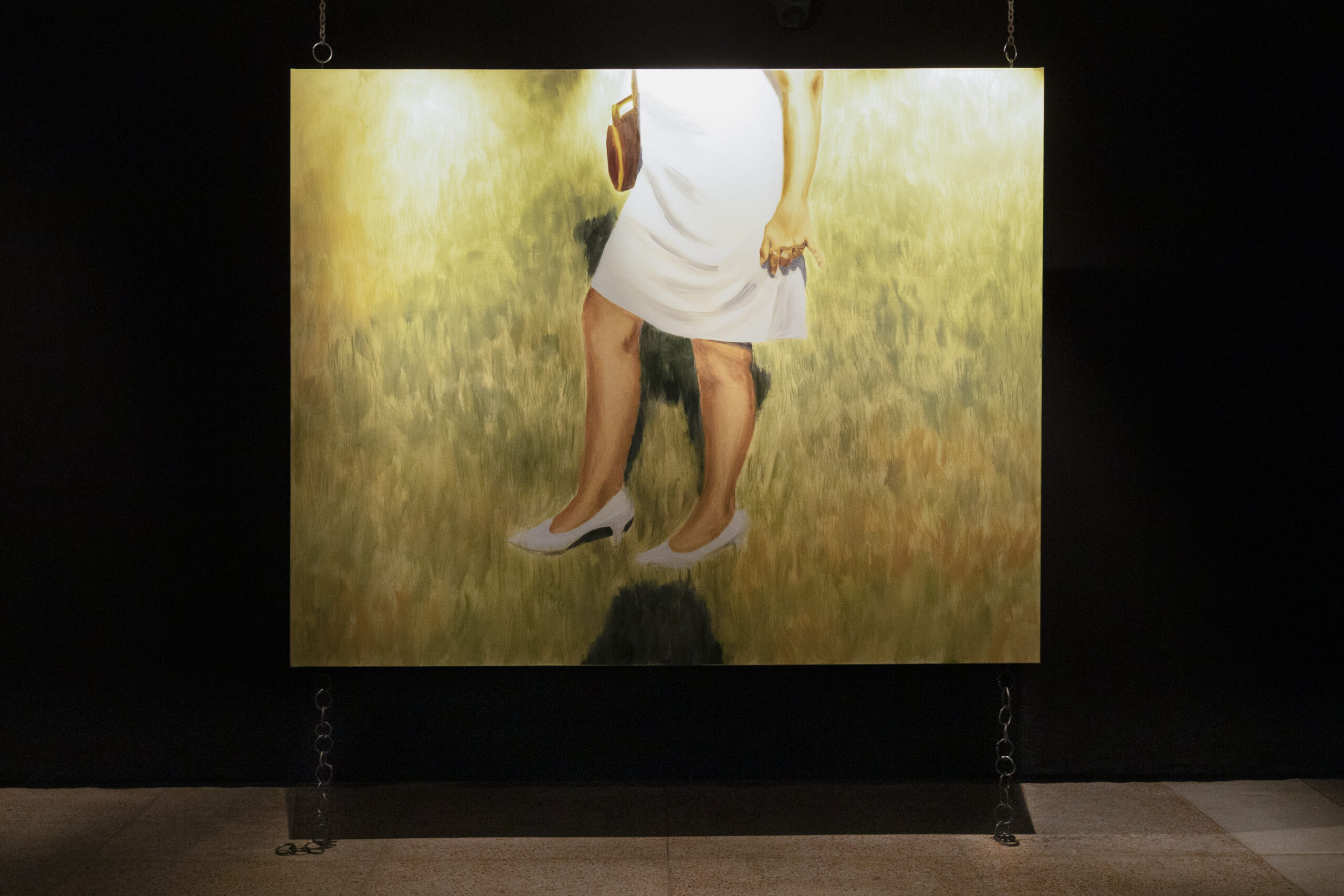
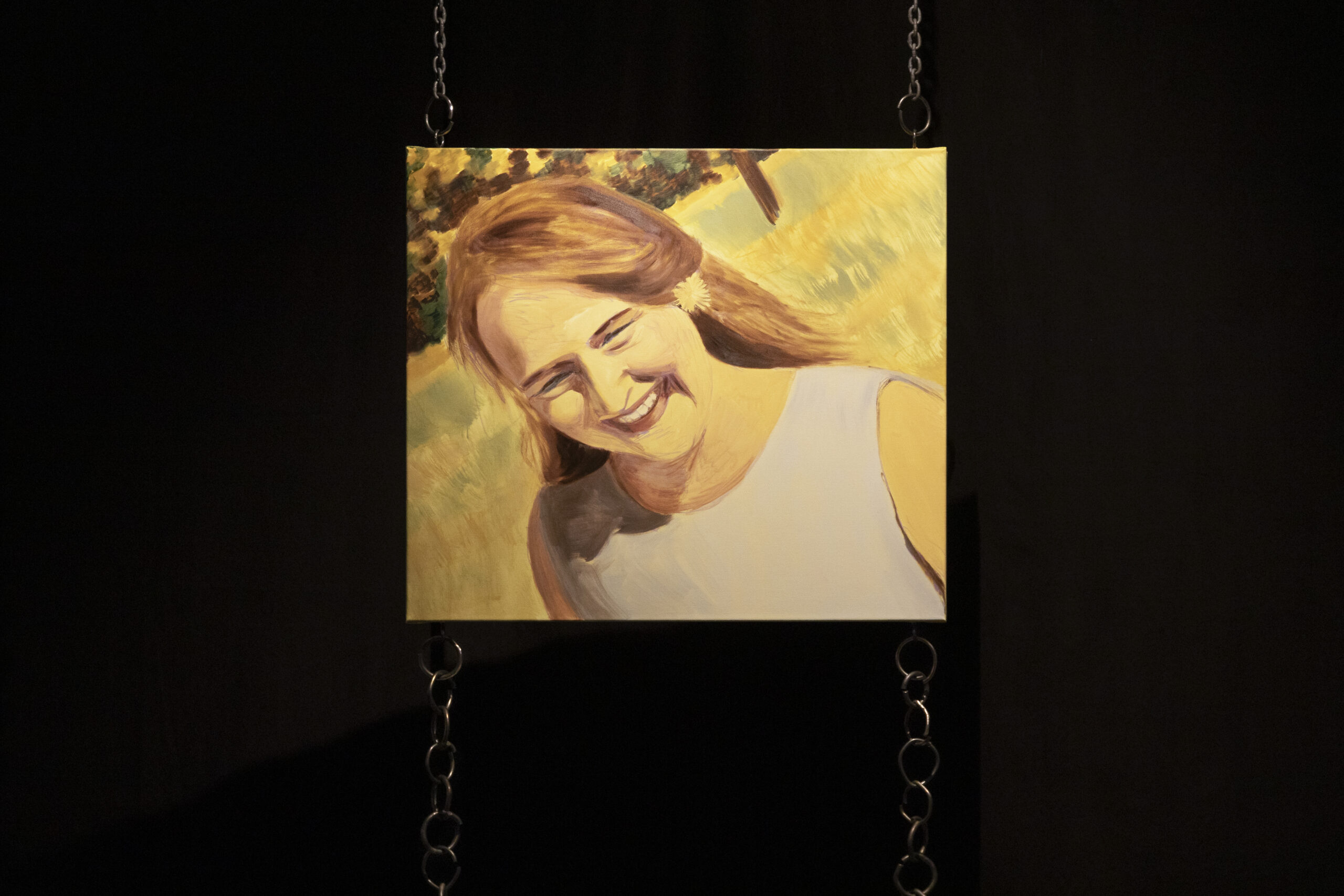
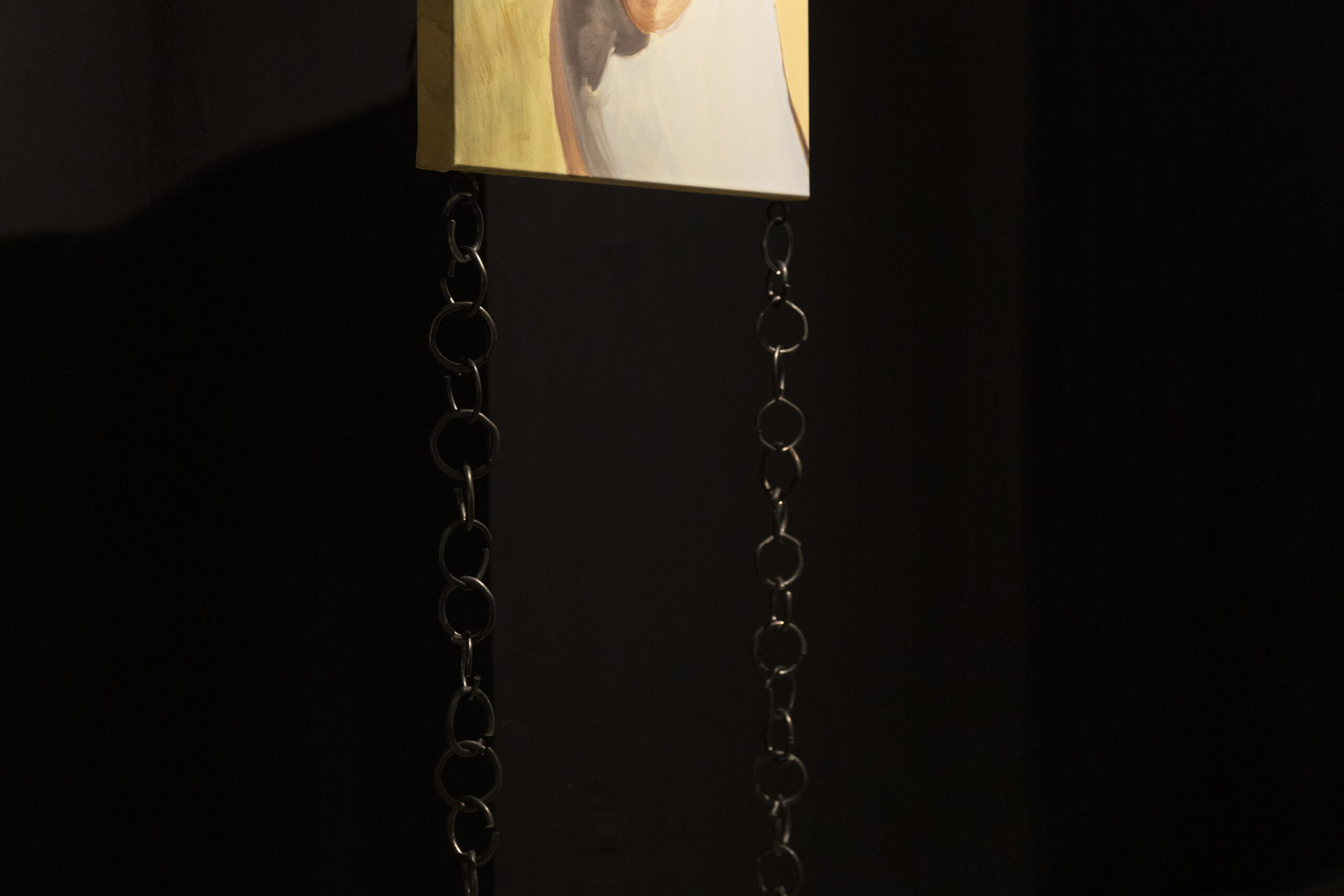
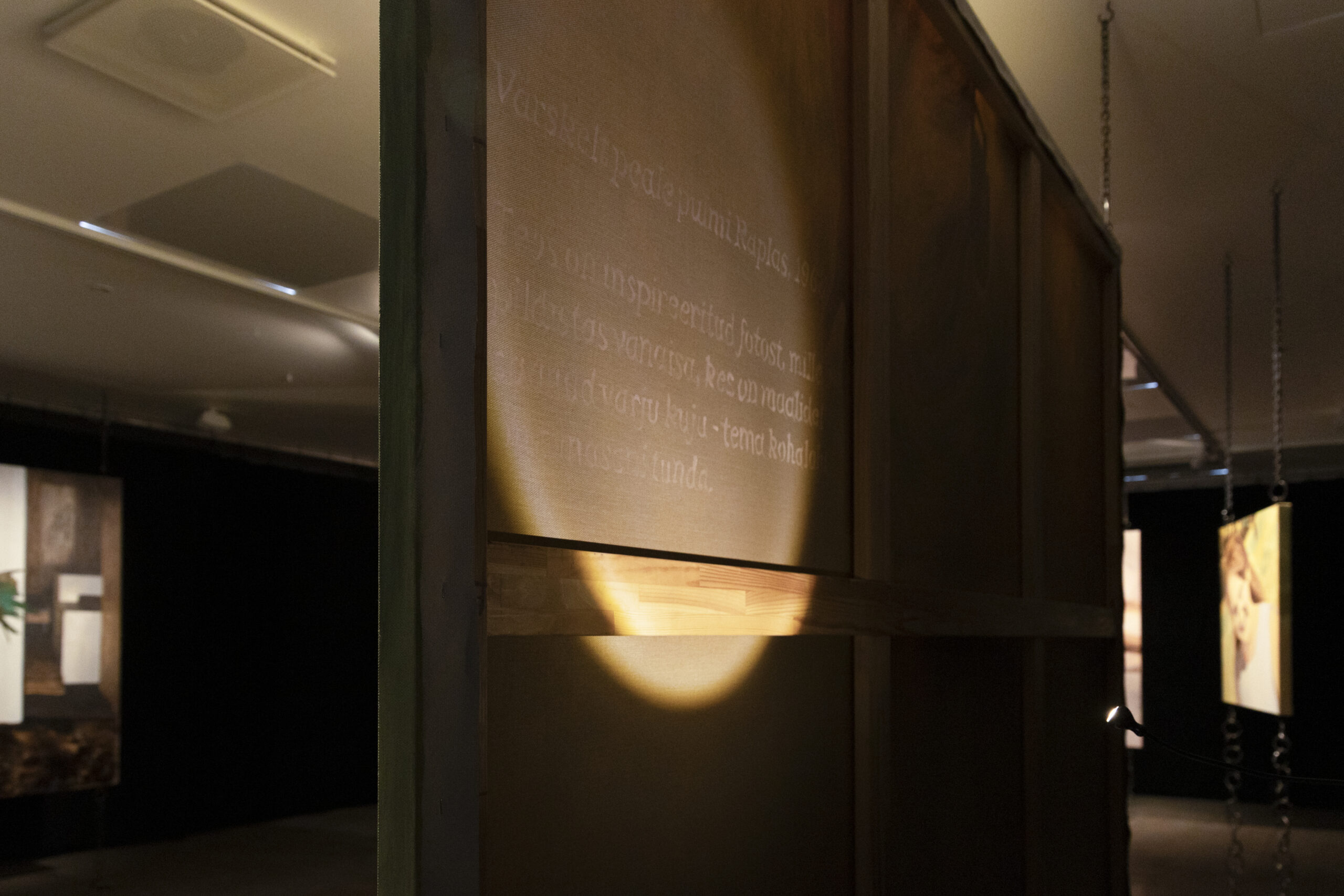
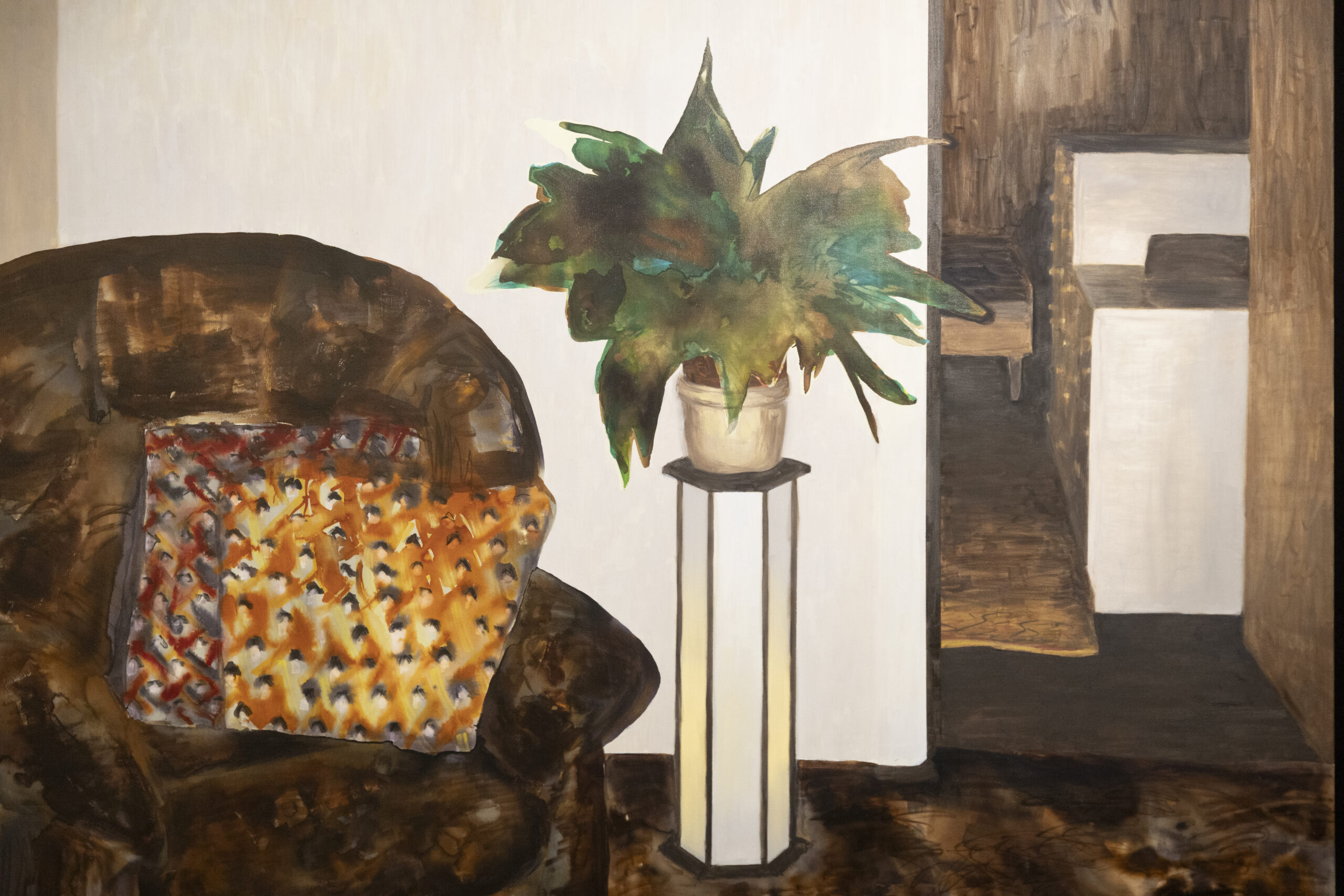
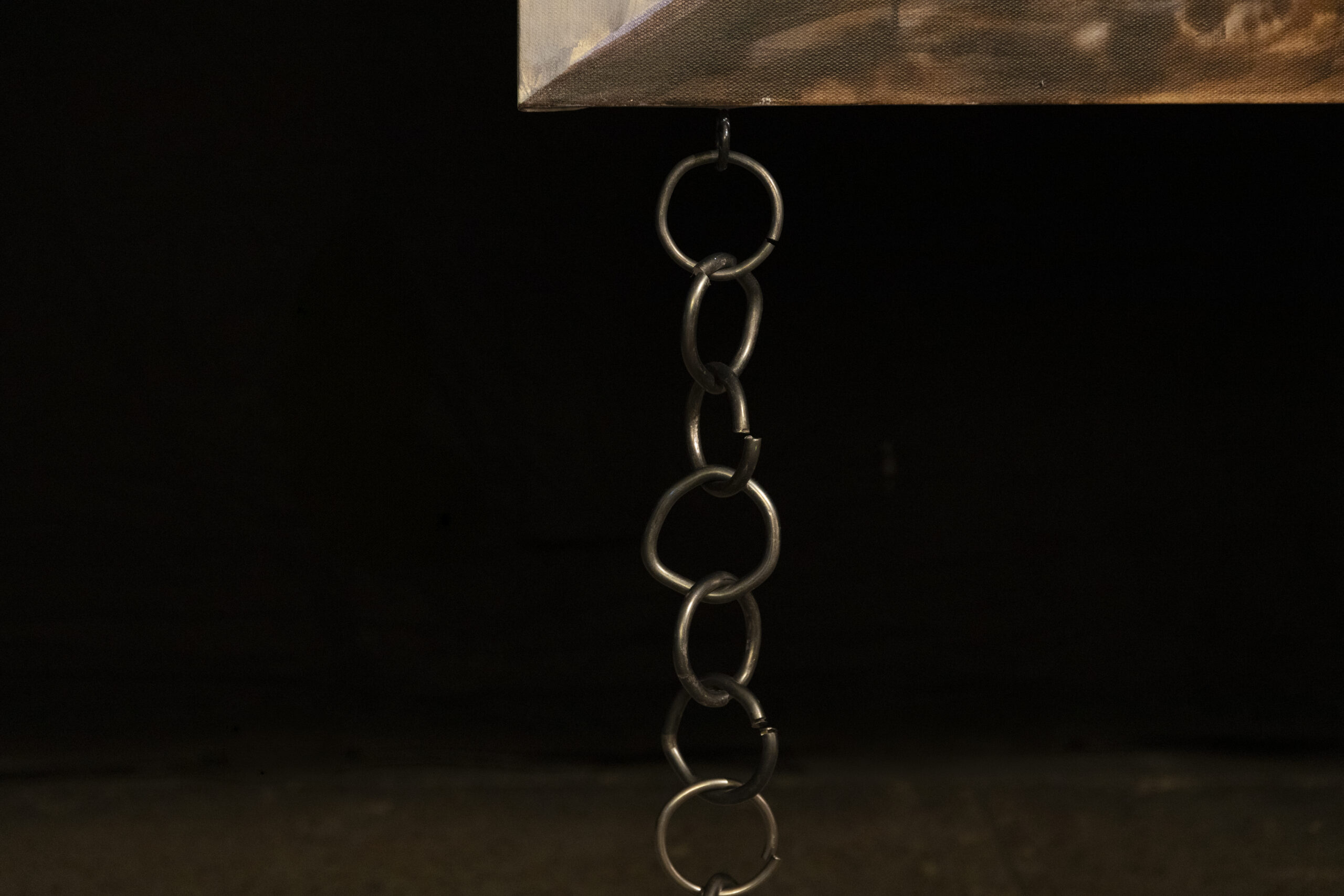
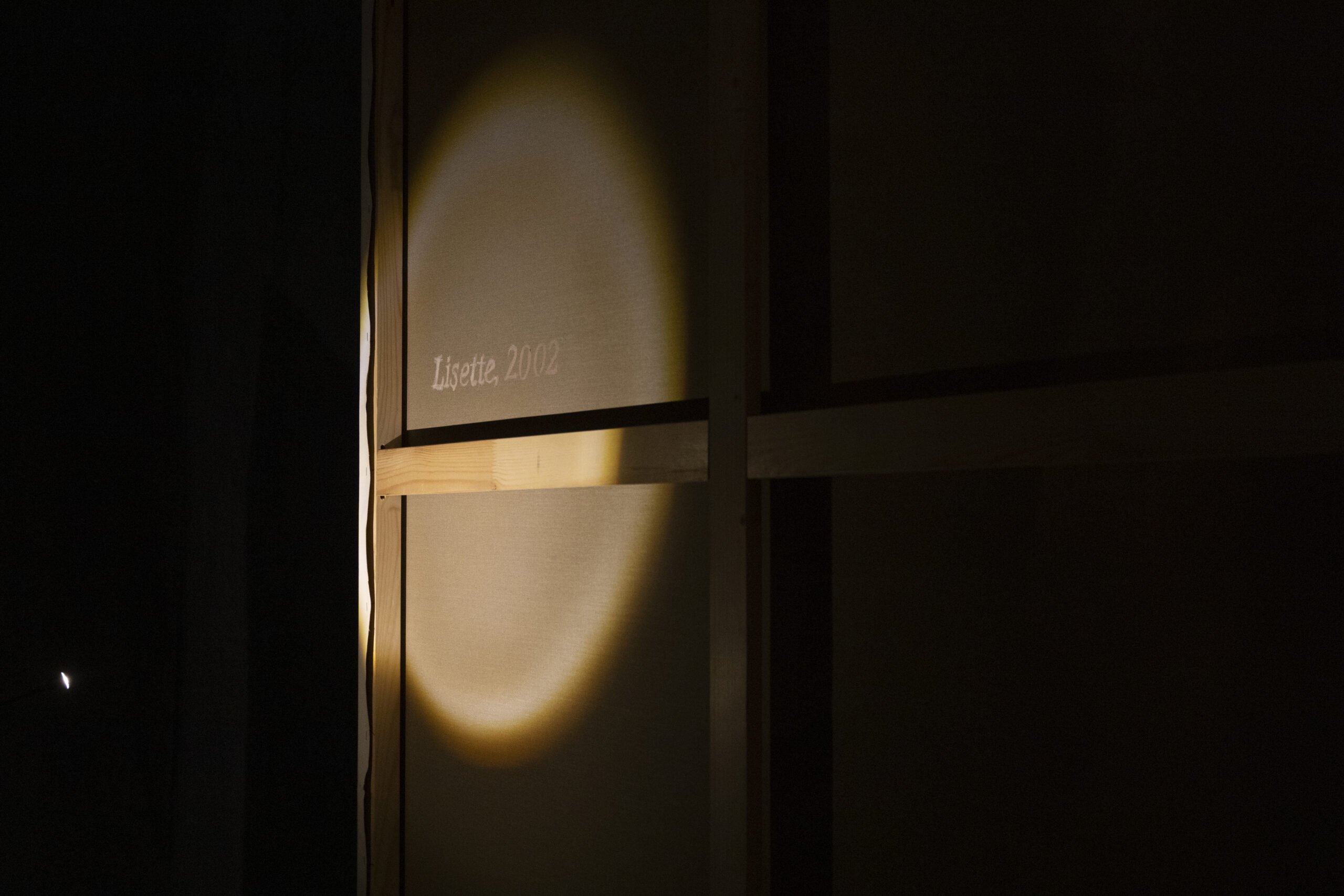
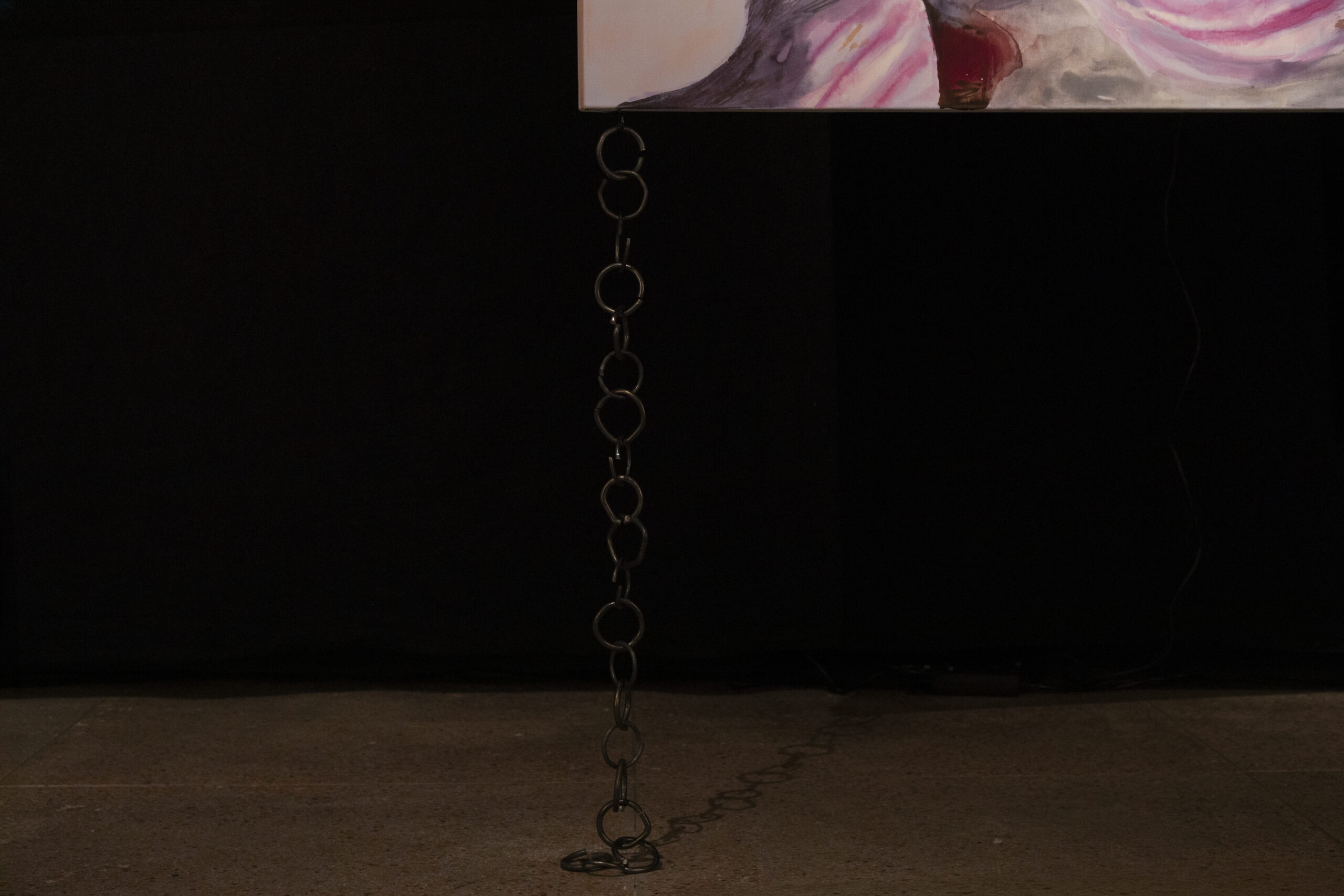
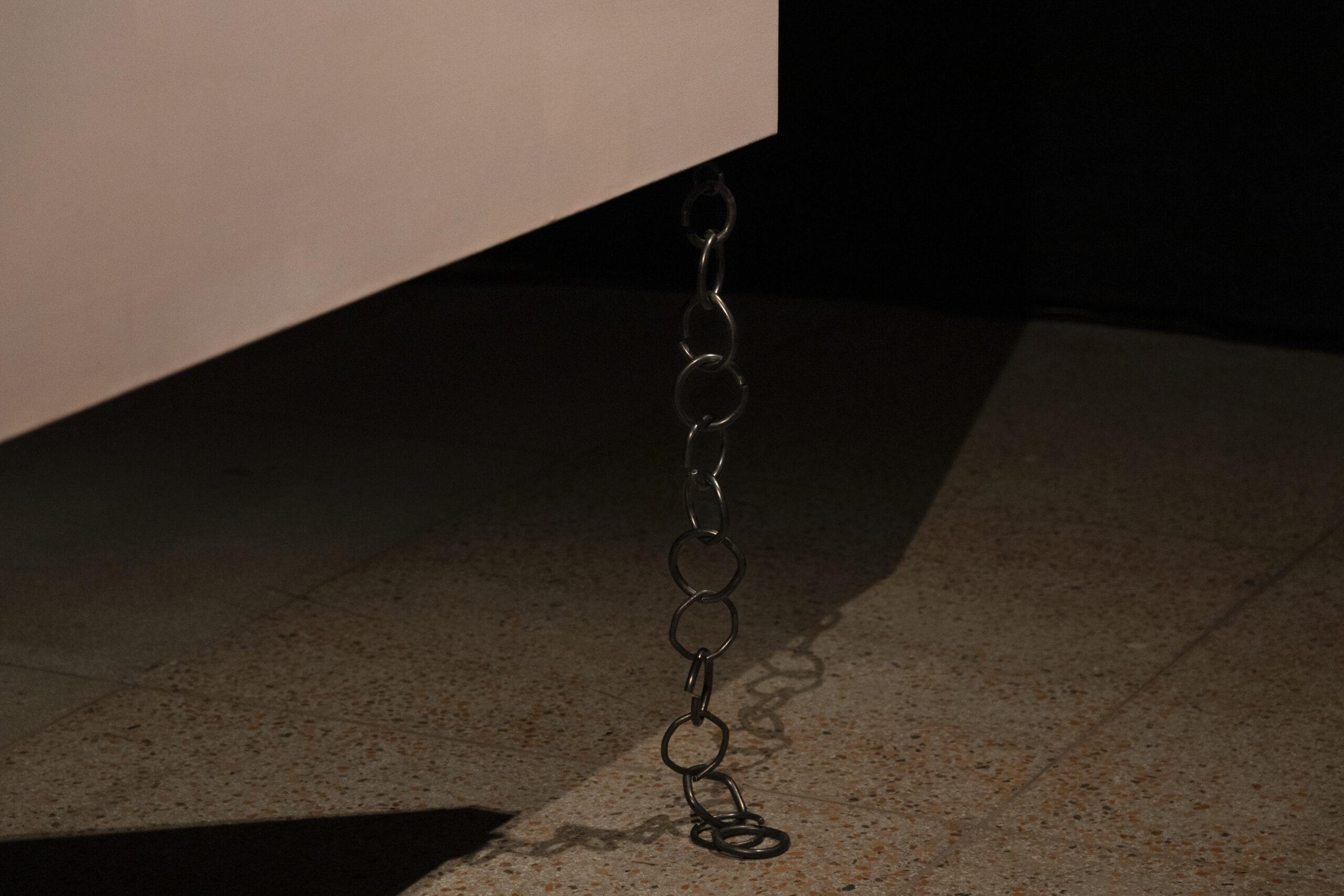
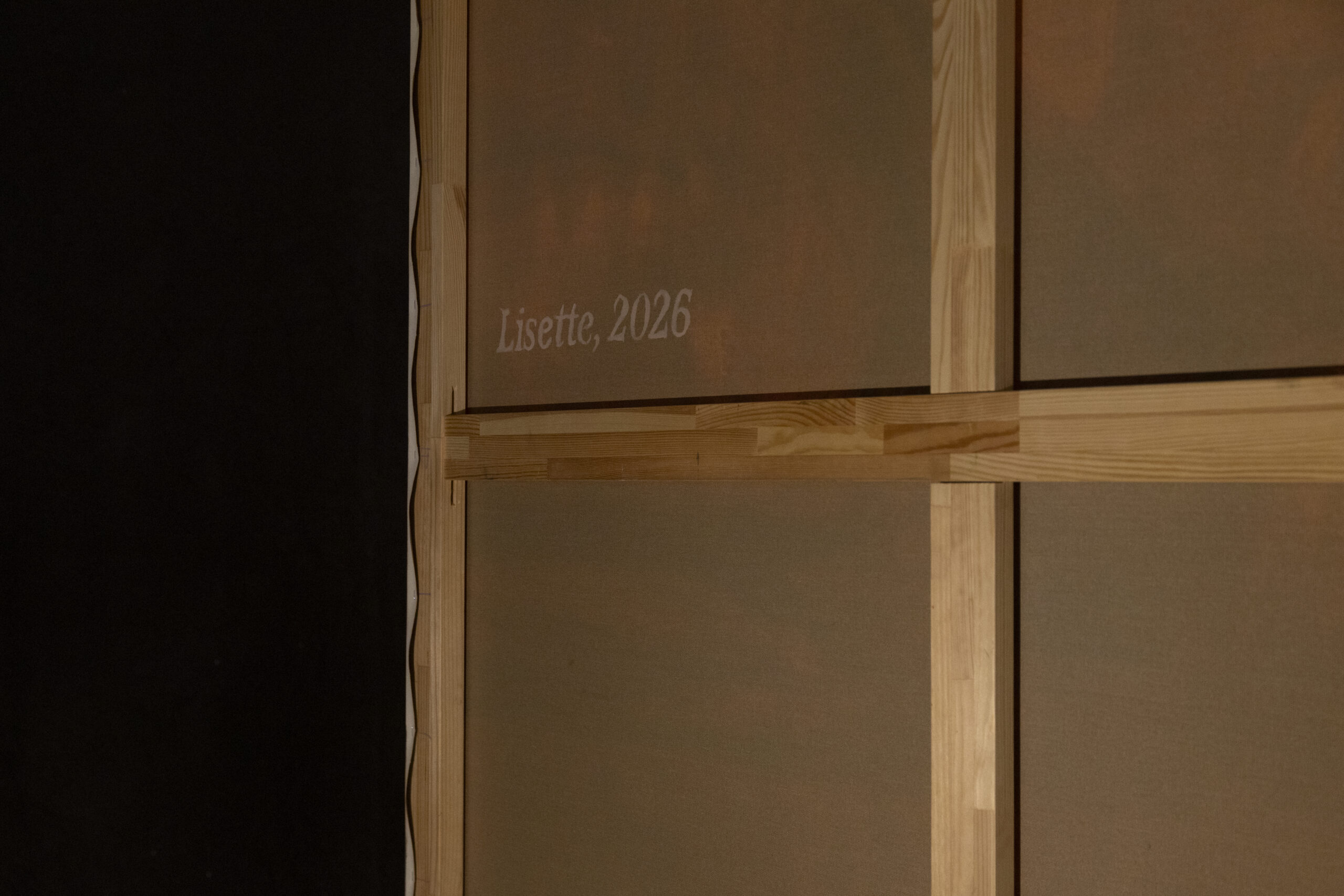
Maale toetasid ning hoidsid ruumis maast laeni Lisette loodud rauast ketid – nagu generatsioonidevaheline kultuuriline ja sotsiaalne pagas, on nad omavahel kindlalt seotud. Teosed näitusel mõjuvad kui ajamasin, läbi mille on tunda 90ndate linnakodu hõngu Mustamäel, värskelt lõigatud rohu lõhna suvises Raplas 70ndatel.
—
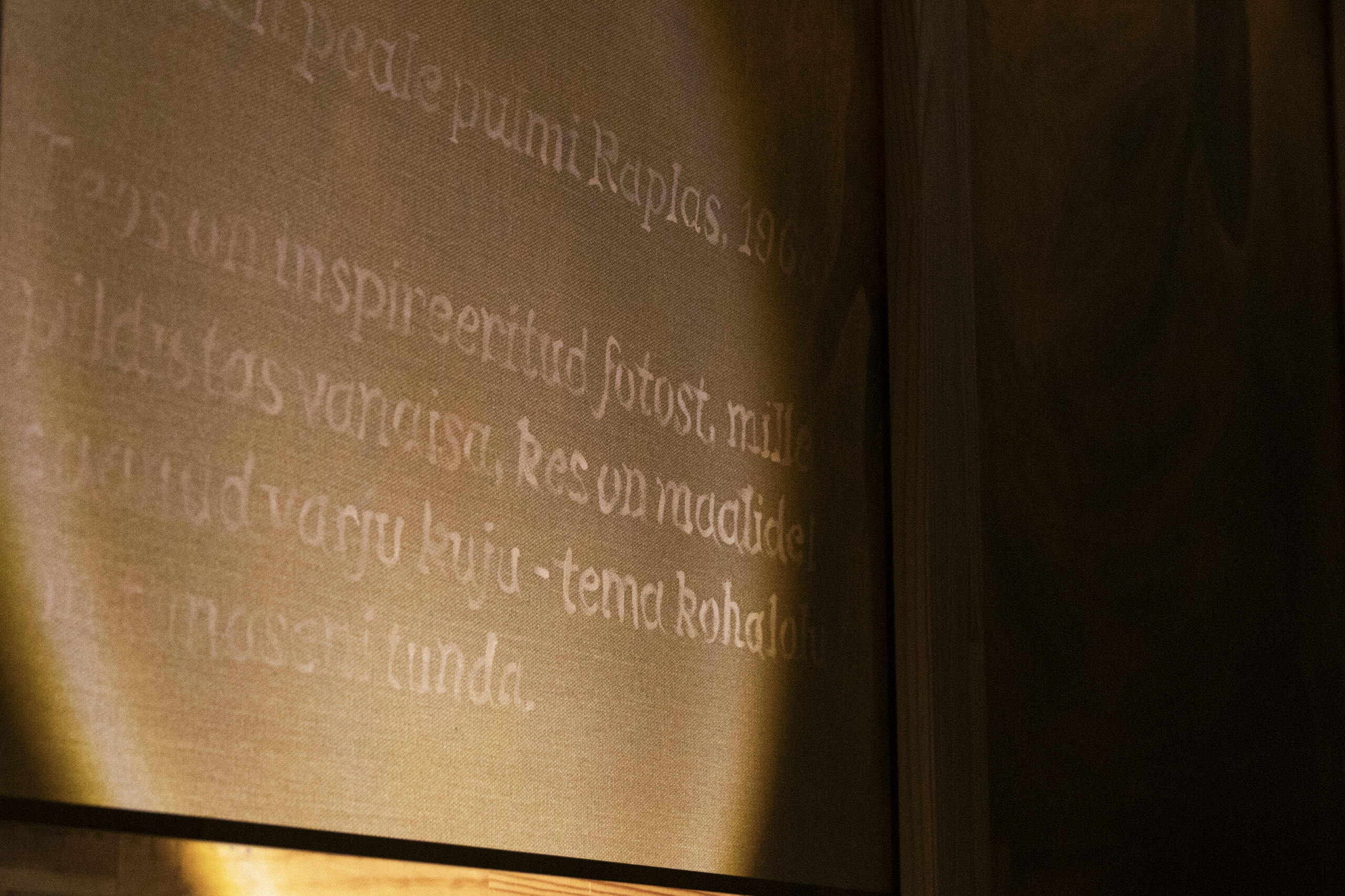
Kui mõelda ajastu peale, siis tunnete näitamine ei olnud tavapärane asi. Eriti meeste poolt. Ema näitas küll oma tundeid rohkem välja ja austas oma meest tugevalt.
Tema sõna pidi igal pool peale jääma. Vanaduses muutus rangeks väga.
Pidime vanematega alati kõike ühiselt kaasa tegema. Ema tegi kõik saadused talveks purki. Neid, kellel polnud maatükke, elasid teistsugust elu.
Mõnus oli elada oma perega koos, nii hea oli.
Mulle avaldas muljet, et ta pööras mulle tähelepanu. Ta tõi mulle lilli.
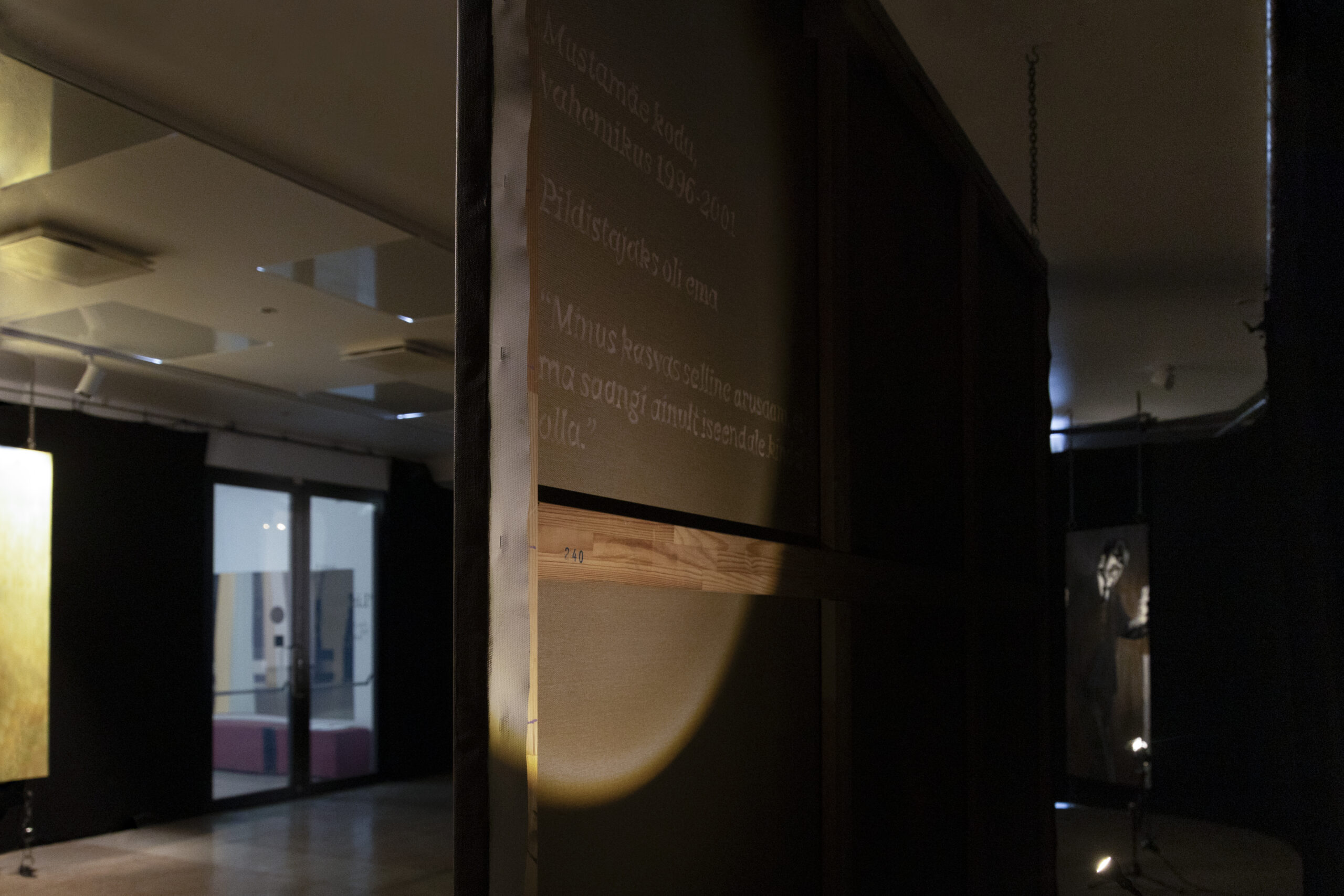
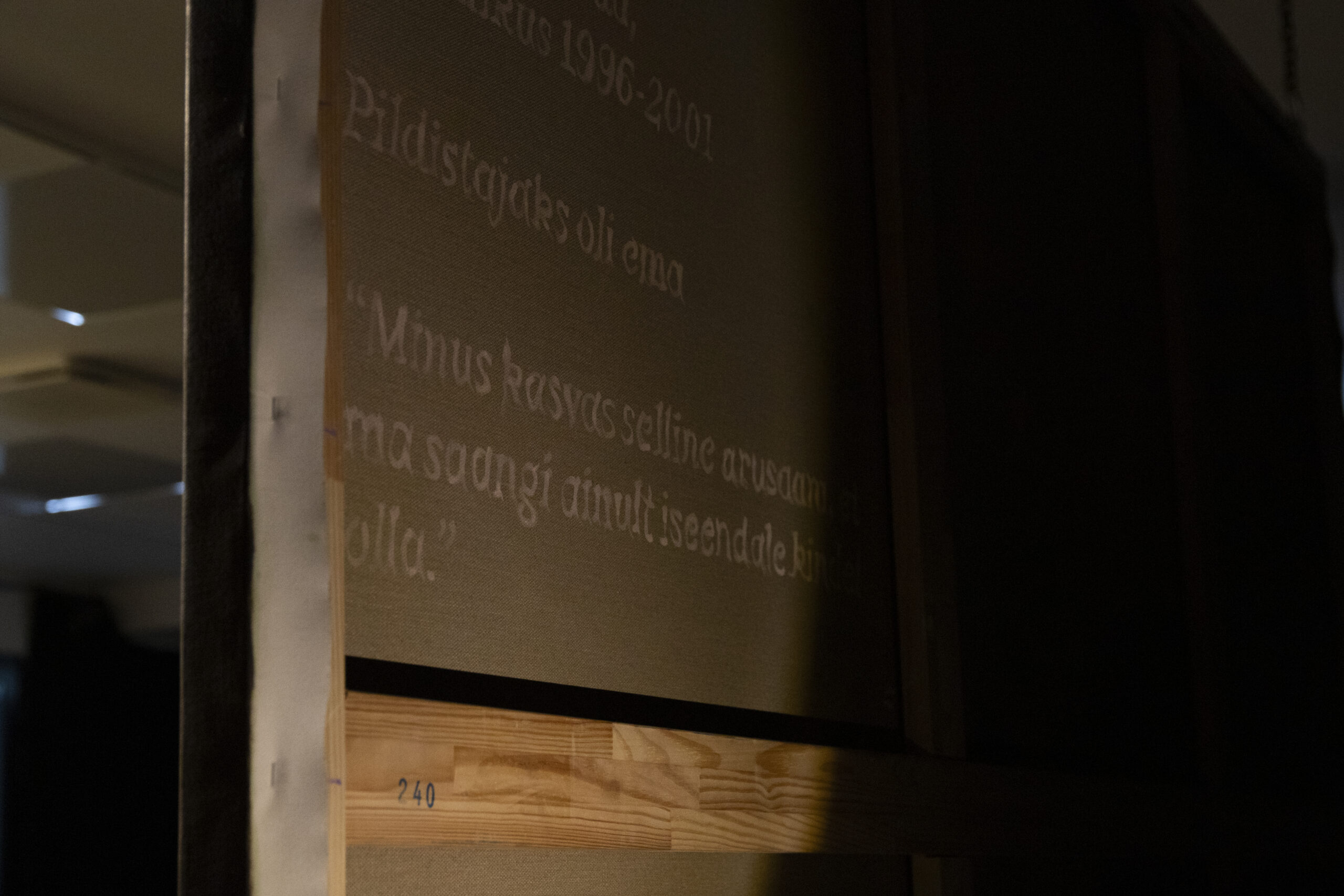
Minus kasvas selline arusaam, et ma saangi ainult iseendale kindel olla.
—
Enamlevinud stereotüüpsed soorollid postsovetlikus Eestis said mõjutusi Nõukogude Liidu ajast, kus naistelt oodati pigem eraeluga seotud psühholoogilise- ja füüsilise ruumi eest vastutamist. Mehed täitsid pigem aktiivseid ja edukaid rolle väljaspool kodu. Ühiskonnas kehtivad mõtte- ja käitumismustrid aga transformeeruvad ajas. Nõukogude Liidu ajal levinud pigem kitsale soorollide paletile lisaks on tänapäeva Eestis vastuseks tekkinud uusi kaasaegsemaid ning vabamaid vorme, näiteks BDSM kogukond. Selle raames saab inimene ise valida ette kureeritud kontekstis endale kindla iseloomuga rolli.
Lisette Lepik: “Uurin soorollide ja võimusuhete muutumist ajas läbi isiklike lugude ning perekonnafotode. Näituseprotsessi jooksul sain inspiratsiooni BDSM kogukonna ideedest, kuna traditsioonilises peremudelis on samuti osalistel enamasti konkreetsed rollid. BDSM annab võimaluse need ümber pöörata ja kaardistada, millised võiksid olla ootused seoses sugude ning rollidega tänapäeval. Seal kontekstis tekivad võimusuhted kokkuleppeliselt. Rollid – domineerivad või alluvad, jõulised või õrnad – valitakse teadlikult, vabatahtlikult ning eelnev kommunikatsioon piiride ja soovide osas on ette nähtud normiks. Võim, kontroll ja allumine ei tähenda seal rõhumist, vaid hoopis usaldust.”
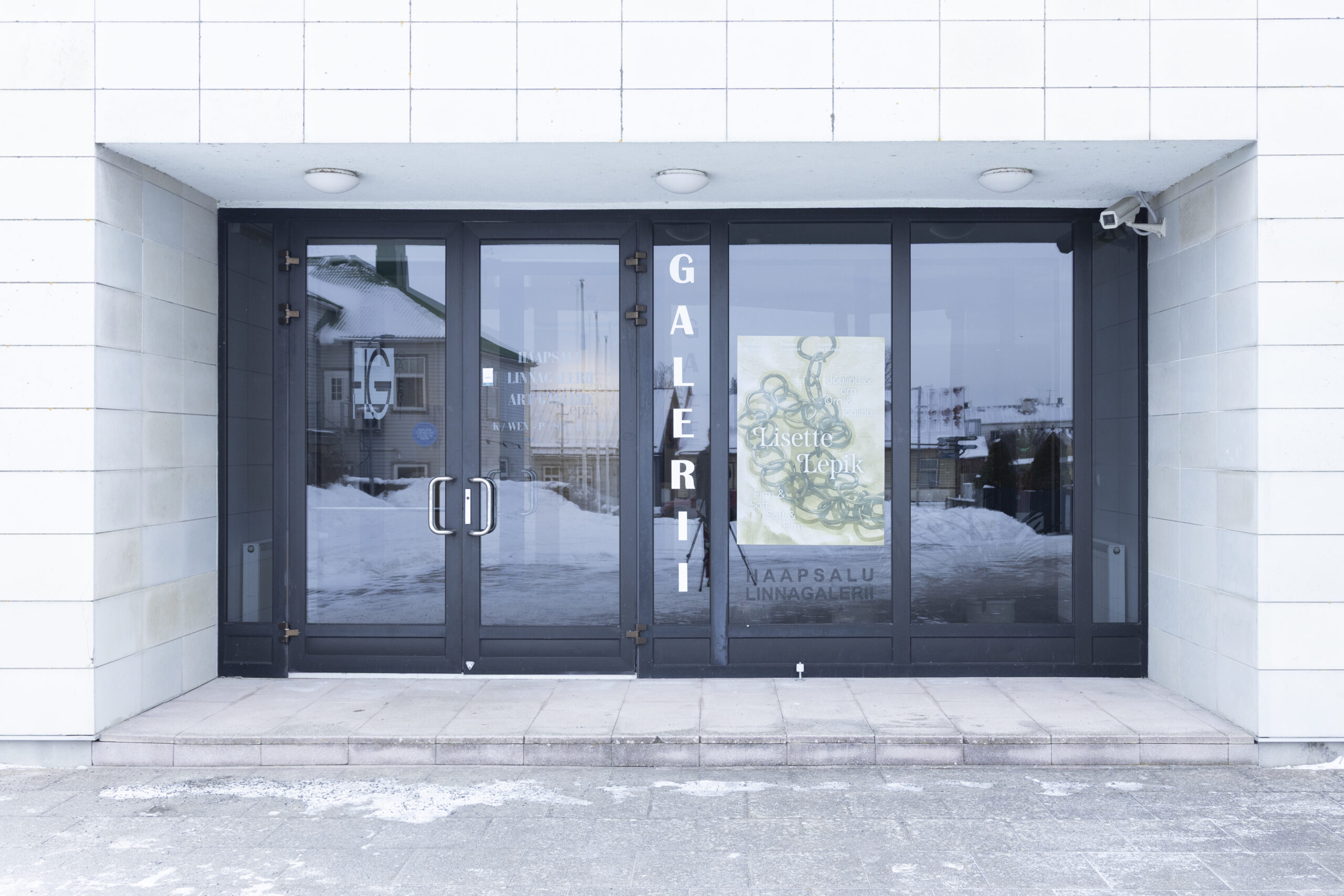
Näitus leidis aset 2026. aasta veebruaris Haapsalu Linnagaleriis.
Näitust kureeris Liisi Kõuhkna, helimaastiku kujundas Rene Manivald Tamm, graafilise disaini lõi Cristopher Siniväli ning näitust dokumenteeris Nora Schmelter.
Näitust kajastati ajalehes Postimees, Delfi veebiväljaandes ja Echo Gone Wrong portaalis.
Inspired by autobiographical material the exhibition deals with themes of gender roles in intimate relationships. Visitors saw emotionally charged paintings accompanied by a soundscape created for the exhibition, representing Lepik’s personal reflections and conversations with her mother and grandmother about their experiences within relationships and general family life.
The paintings were supported floor to ceiling by iron chains handcrafted by Lepik, representing the strongly held cultural and social baggage passed down between generations. The artworks within the exhibition act as a time machine through which one can observe the atmosphere of a 1990s city home in Mustamäe district or perhaps smell freshly cut grass from a recently mowed 1970s lawn in Rapla city.
—
When you think about that era, showing your feelings wasn’t a normal thing to do. Especially for men. My mother showed her feelings more and respected her husband deeply.
He had to be obeyed at all times. When getting older, he became very strict.
We always had to do everything together with our parents. My mother knew how to properly preserve edibles for the winter. Those who did not have land to tend for lived a different life.
It was so nice to live together with my family.
I was impressed that he paid attention to me. He brought me flowers.
I had come to realize that I could only rely on myself.
—
Gender roles in post-Soviet Estonia were heavily influenced by the Soviet era, where women were expected to be responsible for and maintain their household’s psychological and physical space. Men tended to fulfill active and successful roles outside of the home. However, thought and behavioural patterns within a society transform over time. In response to the rather narrow range of gender roles that were common during the Soviet era, new, more contemporary and free forms have emerged in today’s Estonia, such as the BDSM community. Within this framework individuals can choose a role with a specific character for themselves in a curated context.
Lisette Lepik: “I explore changes in gender roles and power dynamics through personal stories and photos of my family. Throughout the exhibition process I was inspired by BDSM communities. They provide an opportunity to reverse the roles and rethink expectations on different genders. Within this context power relations happen by mutual agreement. Roles — dominant or submissive, firm or soft — are chosen consciously and voluntarily, with prior communication regarding boundaries and desires being the norm. Power, control and submission does not mean oppression here, but rather trust.”
The exhibition took place in 2026 at Haapsalu City Gallery.
The project was curated by Liisi Kõuhkna, with the soundscape created by Rene Manivald Tamm. The graphic design was created by Cristopher Siniväli, and the exhibition documentation was produced by Nora Schmelter.
The exhibition was covered in the newspaper Postimees, on the Delfi website and on the Echo Gone Wrong portal.